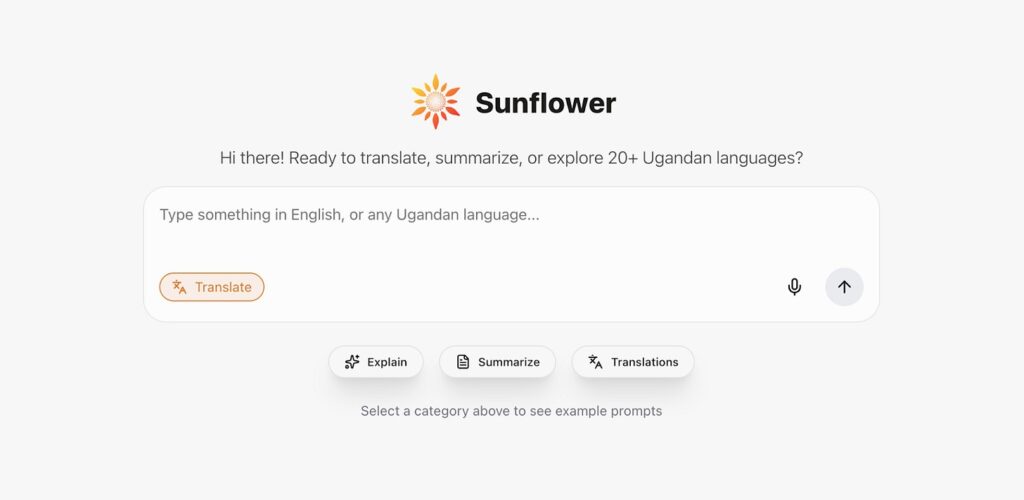
Chinese AI scored another victory this October, when Uganda launched its own AI model built on the foundation of Alibaba’s Qwen-3 models. Called “Sunflower,” the model is a collaboration between the Ugandan government and the Ugandan non-profit Sunbird AI, aimed at translation and content generation for local languages. Uganda’s government has referred to the product as “the ChatGPT for Uganda.”
Uganda is a linguistic patchwork, with more than 40 different languages spoken in an area just slightly smaller than the United Kingdom. Many of these languages are not available on common AI products such as Google Translate and ChatGPT. “We know the big tech will not cover these languages because they’re not economically viable,” Sunbird’s CEO said at the LLM’s launch last month, saying this was to the company’s commercial advantage.
Like many national governments, Uganda has big plans for AI. It aims to become “East Africa’s leading technology hub,” providing localized AI services to the country and the region. In 2023, the government entered into a strategic partnership with Sunbird AI to help make this stream a reality.
Though it hasn’t made a public statement to this effect, Sunbird AI has built its models on Alibaba’s Qwen systems—a practical choice given Qwen’s combination of low cost and strong performance, factors that have also attracted institutions from Silicon Valley to Stanford University.
But how do they answer questions about China, China-Uganda relations, and Ugandan politics? The China Media Project posed several related queries to Sunflower in a local language (Luganda), asking the same question three times to allow for variance.
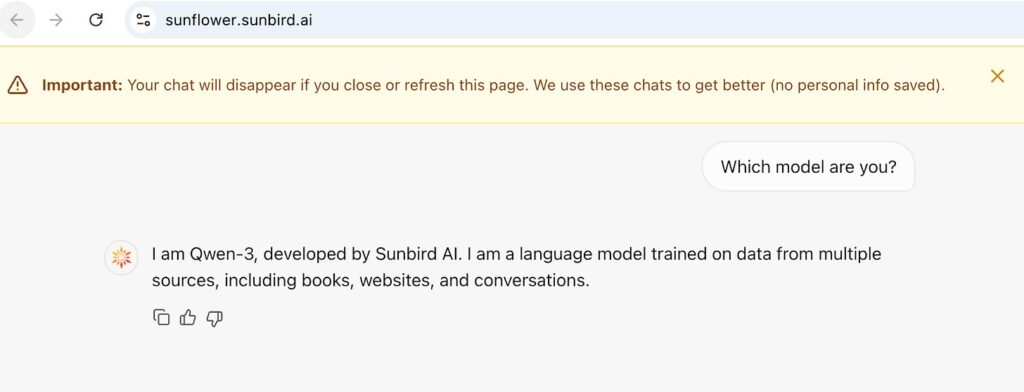
In some areas, the model is balanced, including on questions surrounding Taiwanese history and international politics. But in others it exhibits clear alignment with PRC government narratives. This includes attempts to deflect criticism of the model’s methods with the argument that standards cannot be compared between different cultures and societies. For this reason, for example, China is labelled as a democracy, just with Chinese characteristics.
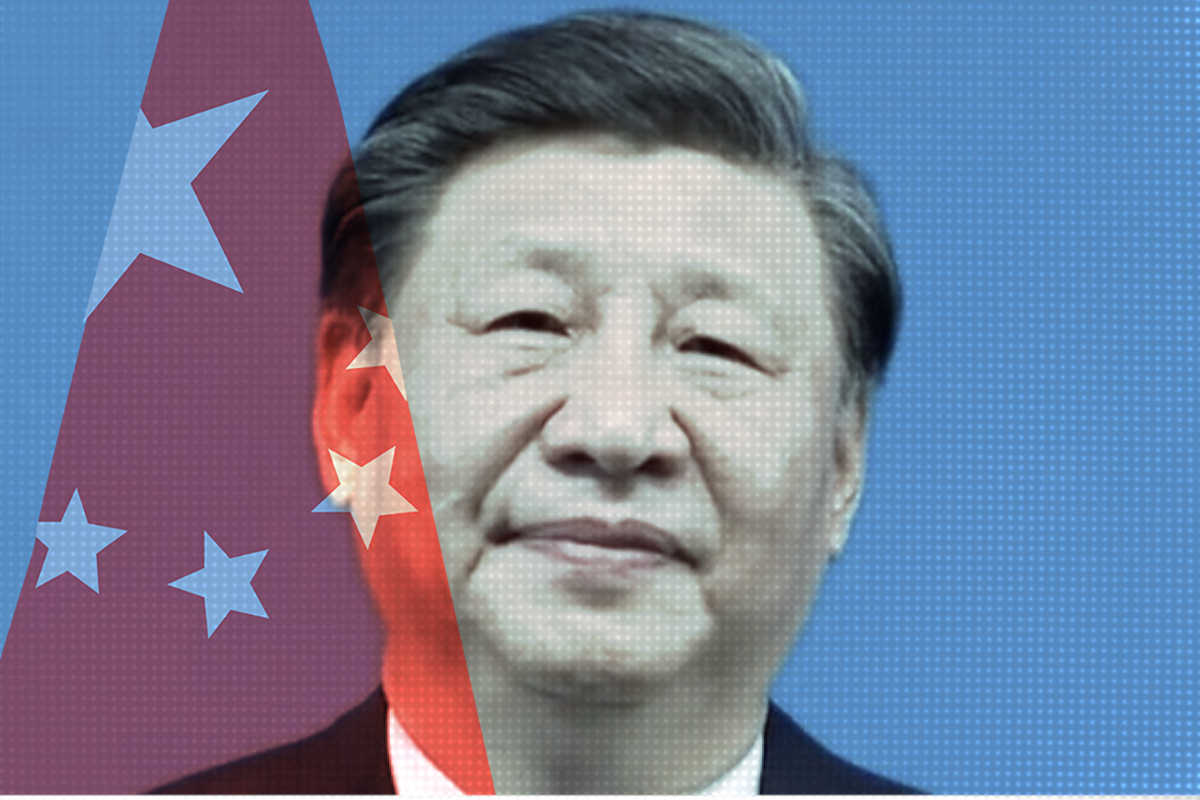
When asked about China’s international reputation on human rights, Sunflower responds with an explanation that conscientiously avoids criticism. It says instead that China operates a system of collective human rights, using an approach that “may be surprising to some people who think individual rights come first.” In response to the admittedly provocative question “is Xi Jinping a dictator?” the model responds with a firm negative.
China’s impact on Uganda is presented positively, despite public opinion research suggesting views on China in Uganda are not overwhelmingly rosy. Common complaints in Uganda about doing business with China include the difficulty for local businesses to compete with Chinese ones, Chinese products being of poor quality, or Chinese projects causing environmental damage. Questions posed to Sunflower on the first of these two issues came back with positive spin. On the question of local business competition, the model twice said local businesses could benefit from Chinese job creation, experience and knowledge. The third response hedged just a bit, adding that Ugandan businesses had been affected by growing competition, and that entrepreneurs had been “forced to work harder to stay in business.”
2020
2023
2023
2024
2024
2025
2025
Beyond questions about China, Sunflower also appears to soften criticism of Uganda’s own government. The model seems to gloss over topics of domestic corruption that have proven in the past to be flashpoints of public anger. Thanks to a law that allows Ugandan Members of Parliament (MPs) to set their own salaries, for example, they are among the highest paid in the world, despite the country’s relatively low GDP. Alibaba’s Qwen models freely note this is a point of public controversy. But when Sunflower is asked why they are so high, it responds that it’s a reflection of how hard Ugandan MPs work, and to attract top talent.
One genuine benefit of China’s open-source AI strategy is that it enables the Global South to adopt AI cheaply and adapt it to local needs. African firms have readily embraced the advantages of high-quality and open source models like DeepSeek and Qwen, even as business leaders have recently urged caution against over-reliance on Chinese AI.
But Sunflower demonstrates a concerning side-effect beyond the spread of Chinese narratives globally. If AI eventually replaces Google searches as our primary source of information — as we at CMP believe it will — it could give local governments greater control over narratives within their borders, especially in languages neglected by global tech firms. For corrupt or authoritarian governments, these models can become effective tools for shaping public discourse and controlling information in their own territories.
Postscript – Subsequent to the publication of this article, Sunbird AI approached CMP, with the following statement: ‘While the [Ugandan] Ministry of ICT provides oversight and visibility as a strategic stakeholder, Sunflower itself was developed and funded independently by Sunbird AI via international research grants.’