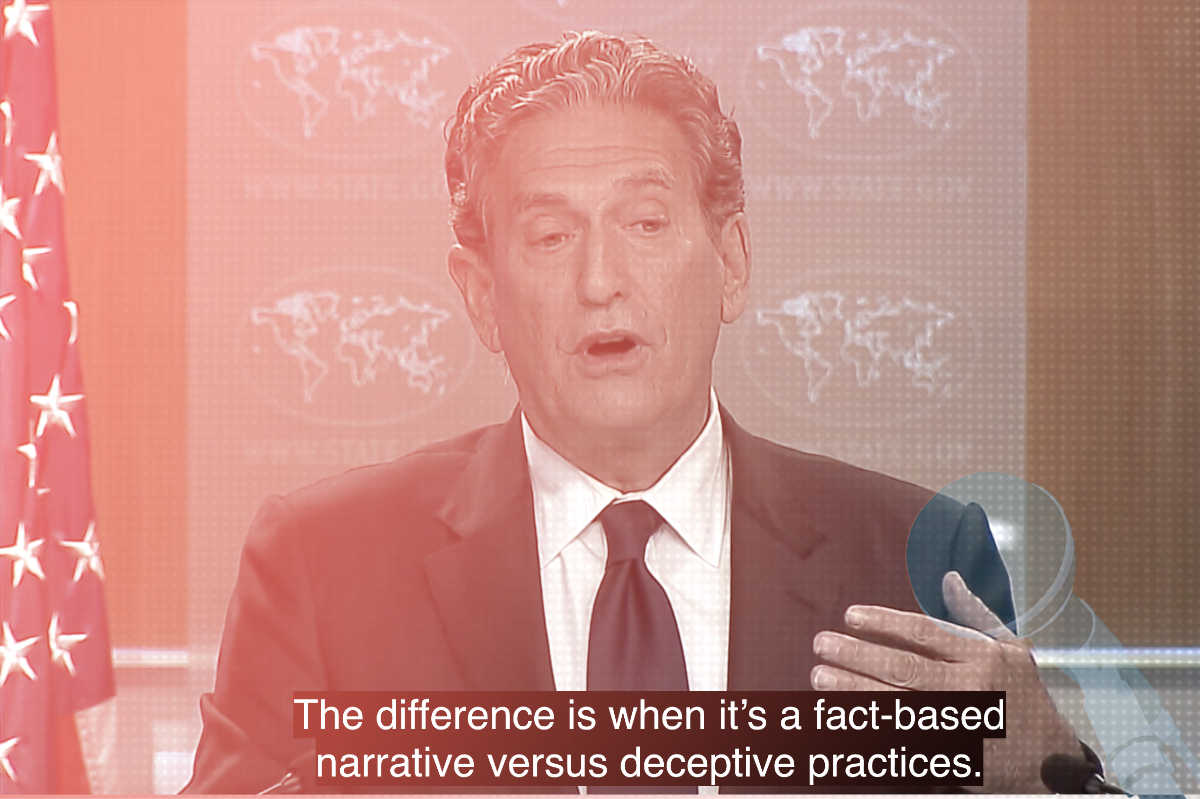
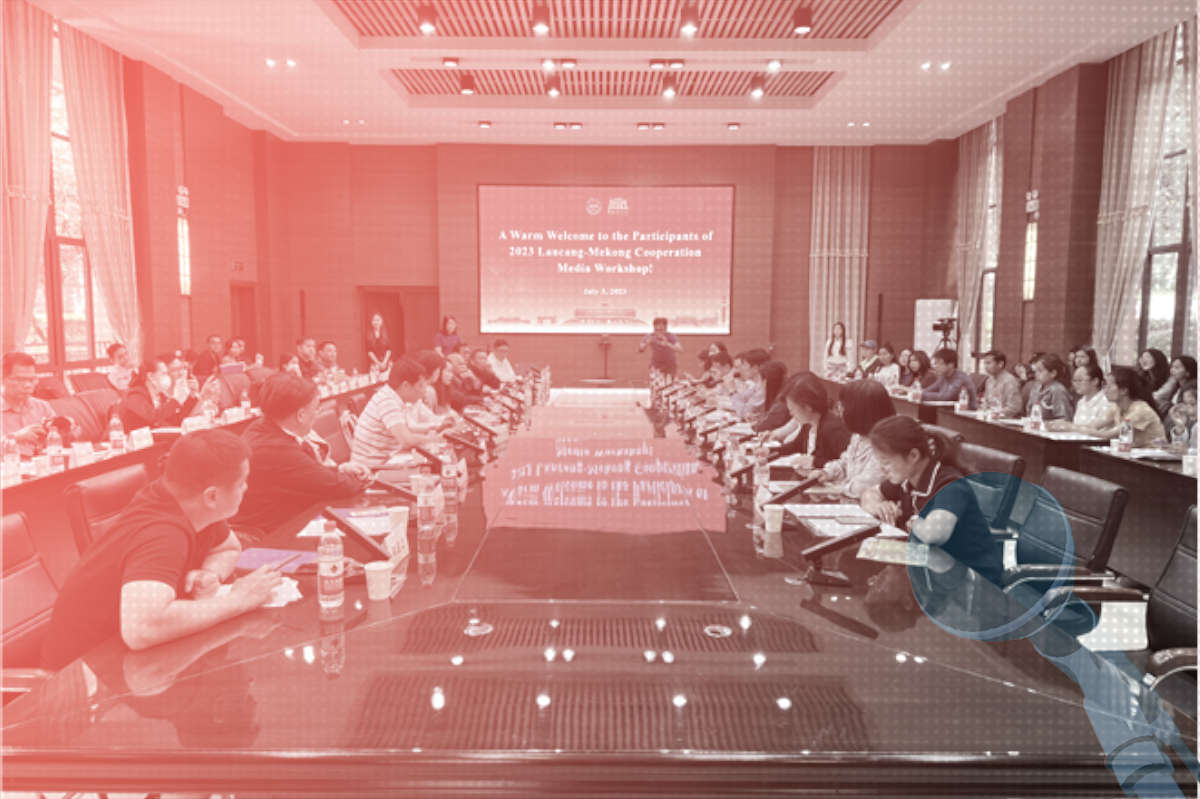
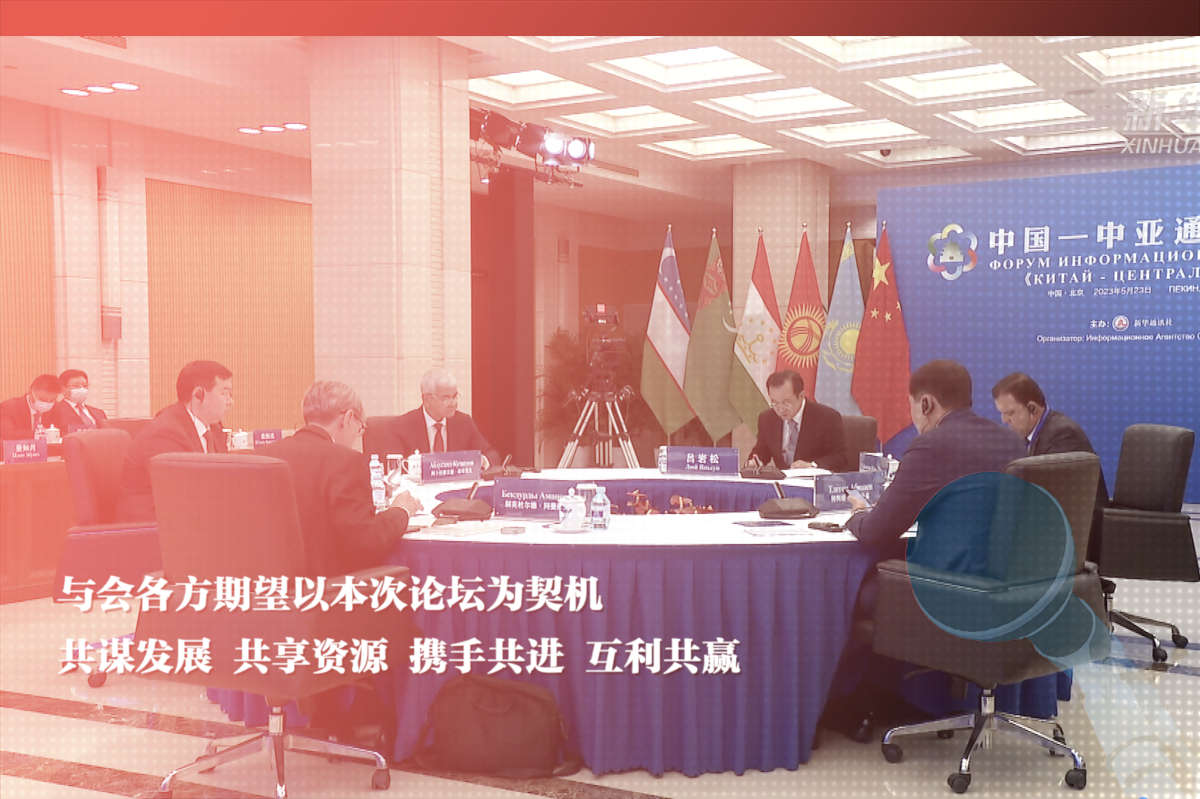
Chinese media have an ever greater presence outside China, reflecting a concerted effort by the state to expand its influence on global public opinion. Watch this space for our analysis.
As China’s leadership pushes regional and local media and propaganda offices to strengthen their global communication efforts, Sichuan province takes a typical soft approach with Portuguese audiences.
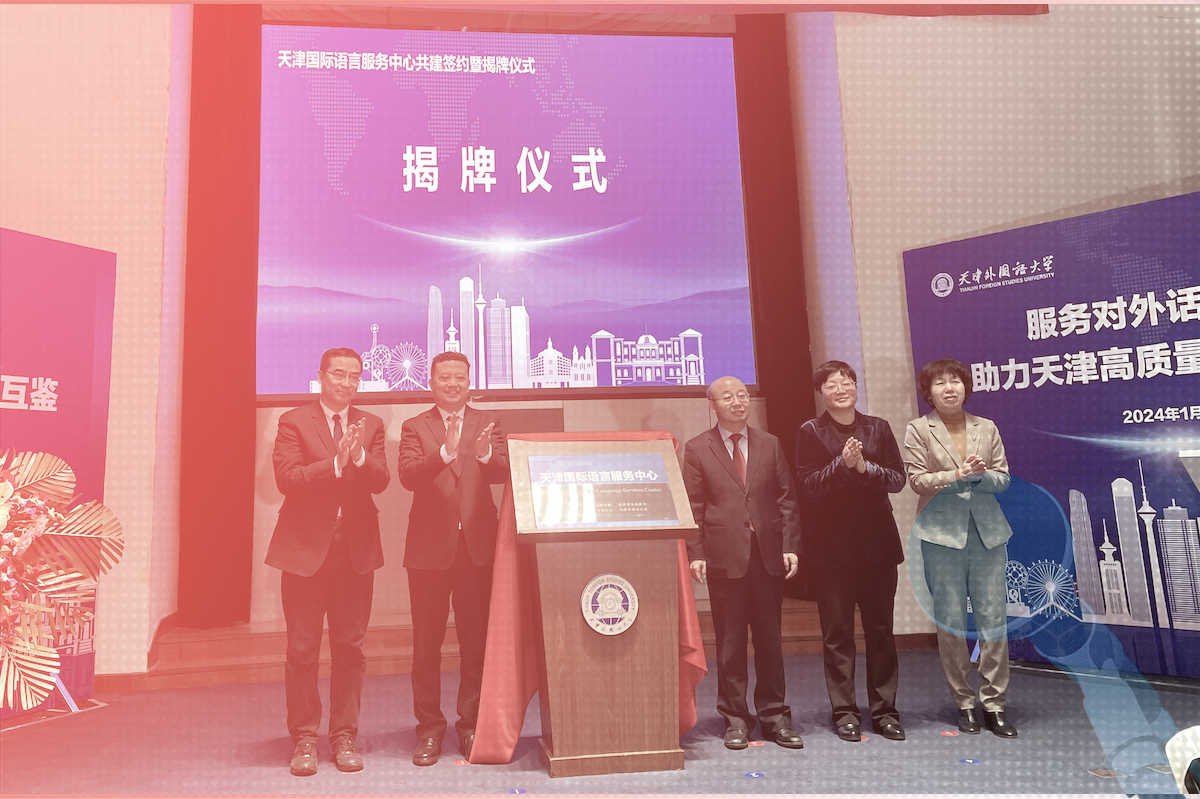
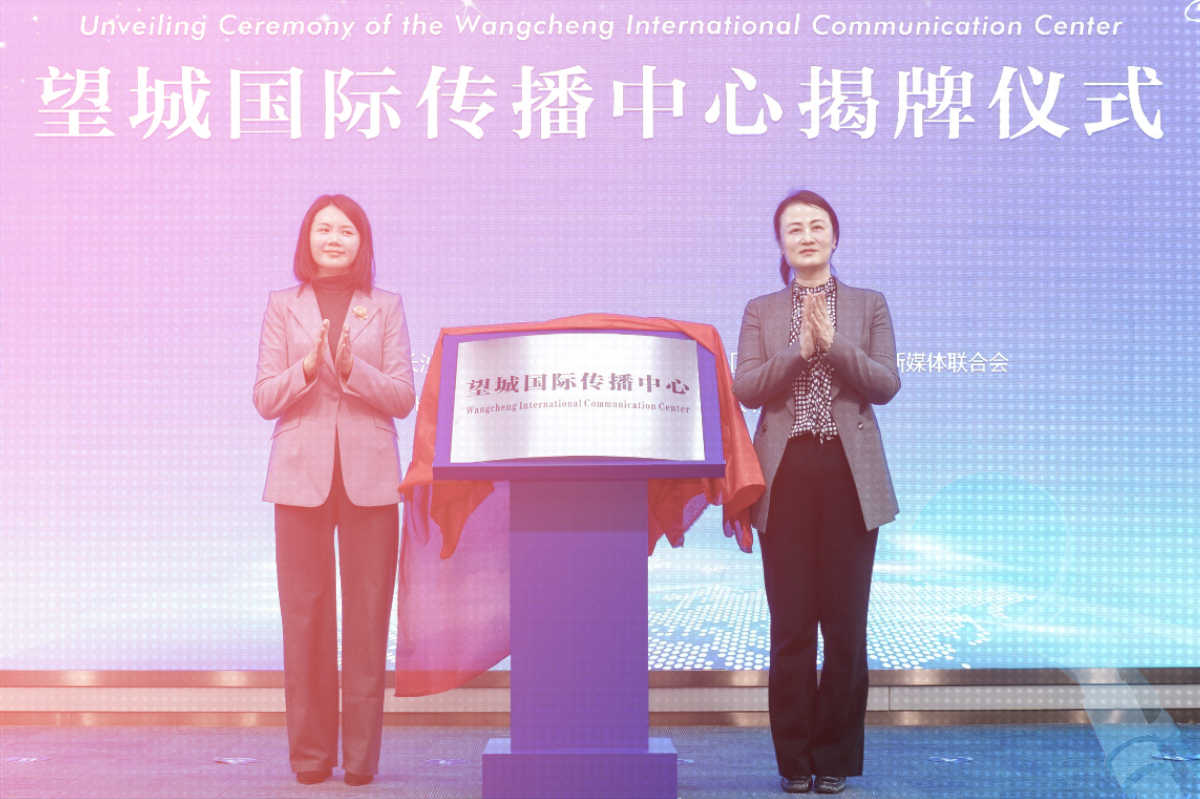
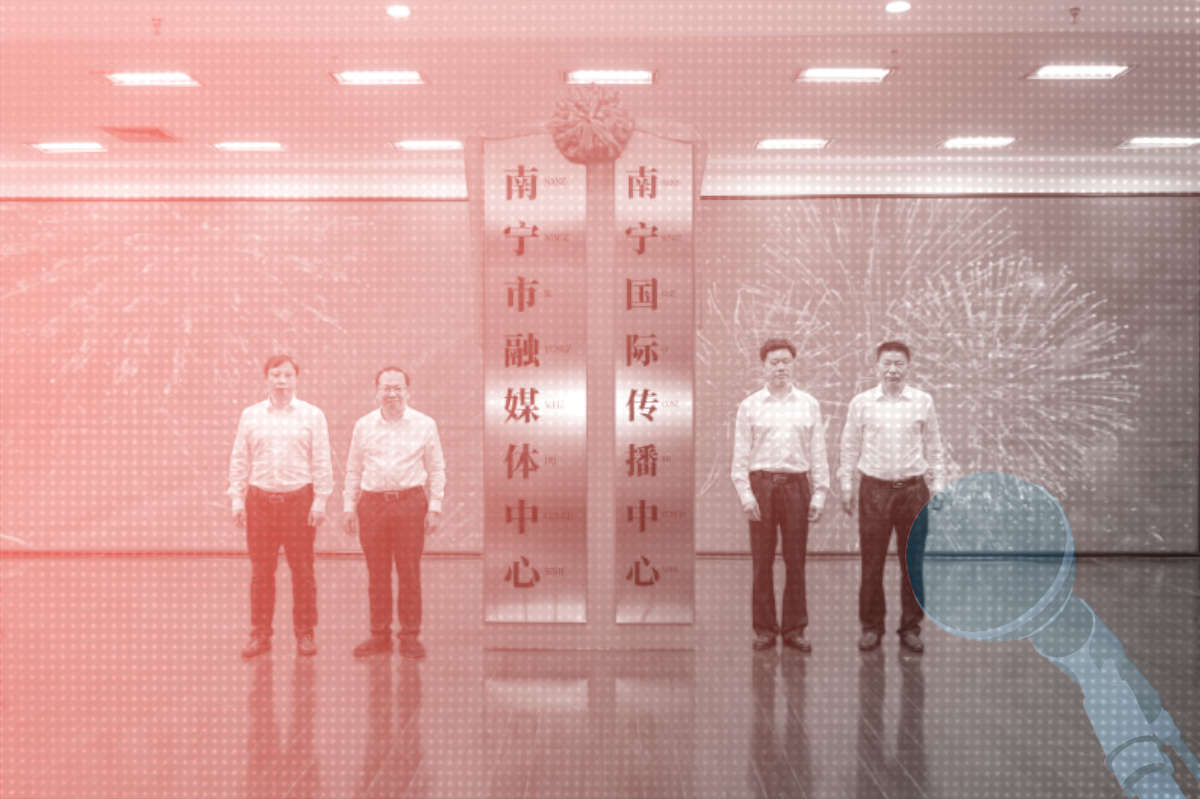
The addition of external propaganda bases in Zhejiang and Tianjin over the past two weeks brings the total number at the provincial level to 23. These ICCs, also being launched at the city level, are meant to remake China’s approach to delivering its message externally.
One of Southeast Asia’s largest media groups announced this month that it would collaborate on content with a Chinese magazine. Is it turning a blind eye to the powerful political motives and interests that lay behind?
A procurement document reveals the process behind China’s media diplomacy — tracking global coverage to shape outreach strategy and identify partnership opportunities.
As Beijing rapidly expands local propaganda outposts to boost its global image, systemic problems are undermining the ambitious international communication push.
A deployment of China’s Qwen in the east-central African country seeks to harness the free technology to provide AI to the country’s multiple obscure languages. But what does this chatbot have to say?
Guangxi represents the most concerted government effort so far to push the nation’s AI products abroad. A chatbot created for the Malaysian government is evidence of how AI can help reshape the region as a Chinese sphere of influence.
As international communication centers proliferate across China down to the county level, Xi Jinping’s grand vision for global “discourse power” meets absurd local reality.
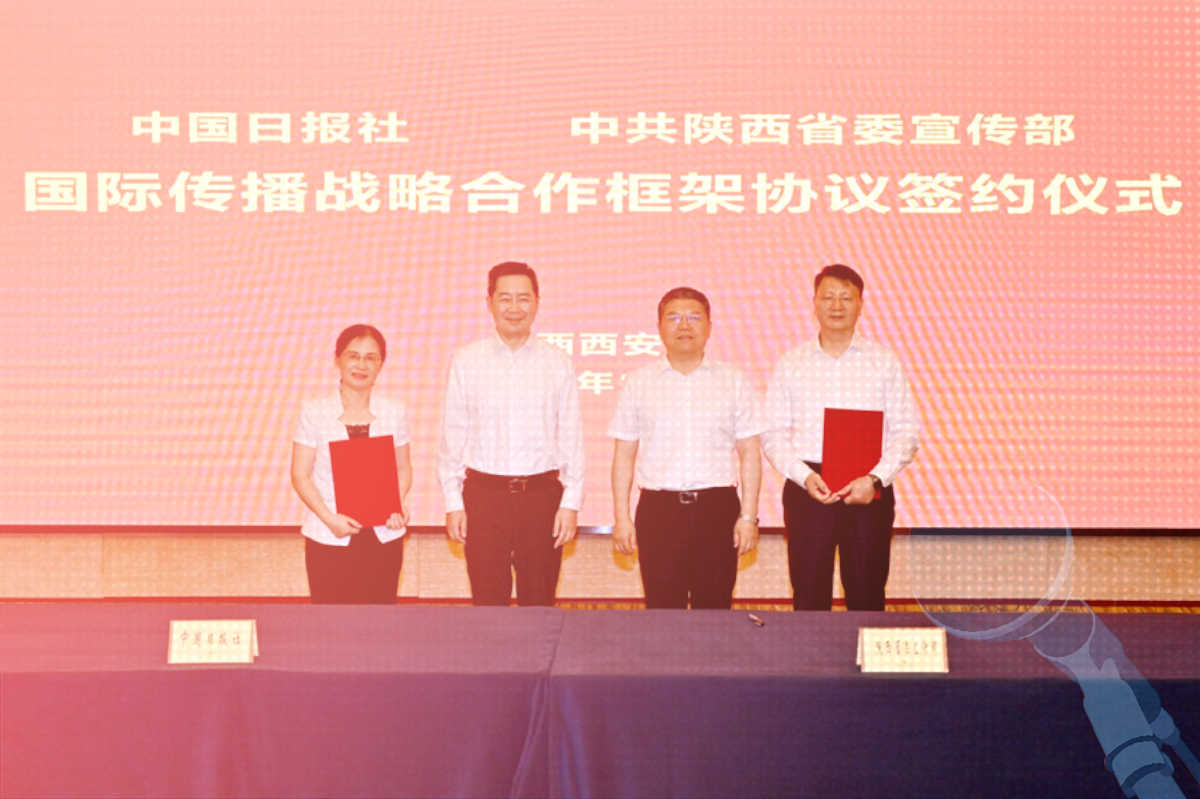
Despite Beijing’s push to localize international communication efforts since 2018, flagship outlets like China Daily remain essential to external propaganda.
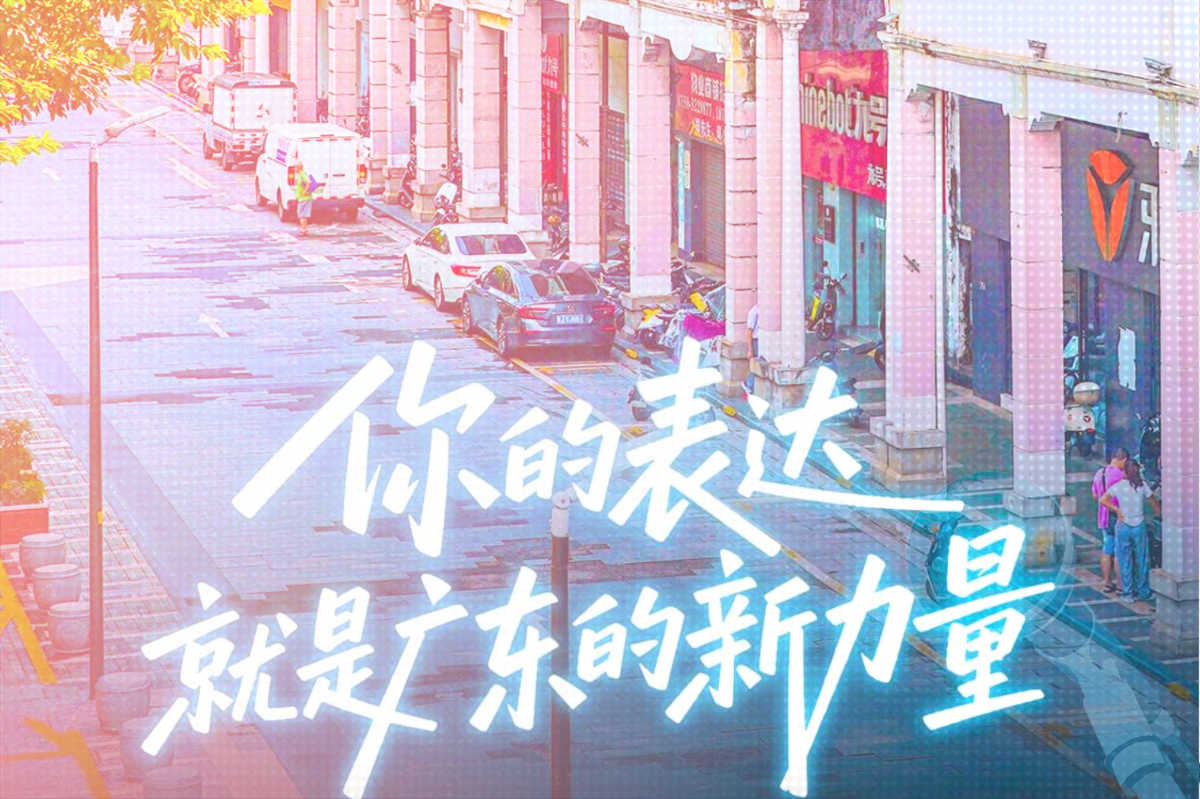
An international communication initiative in the wealthy southern province of Guangdong, bordering Hong Kong, plans to make propaganda resources of local creators as well as foreign expats.
China National Petroleum Corporation has formed its own international communication center as Beijing’s global messaging strategy penetrates the corporate sector.
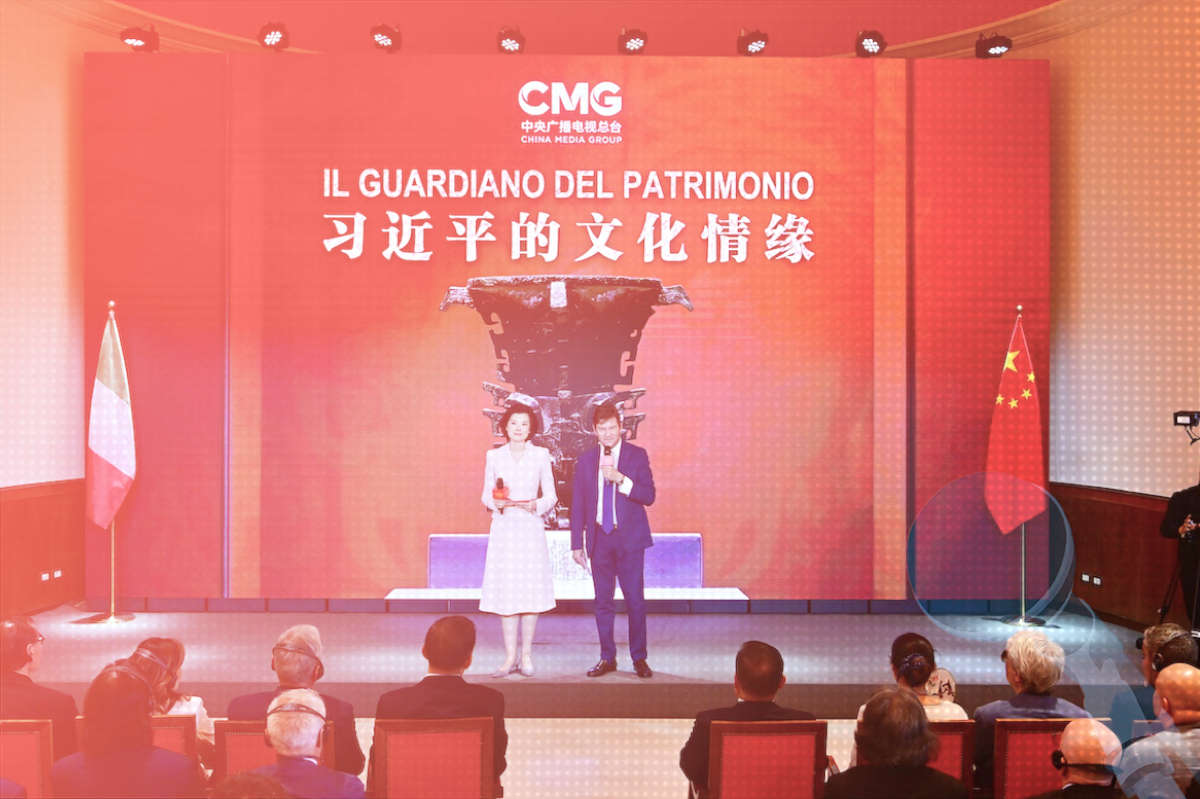
Beijing launched a grandiose television series promoting Xi Jinping across dozens of Italian networks. Why did Italy’s media welcome such blatant propaganda?
Xi Jinping’s multi-stakeholder strategy aims to coordinate government, media, enterprises and social forces to reshape China’s global communication. But lofty hype about the strategy presents its own challenge to progress.
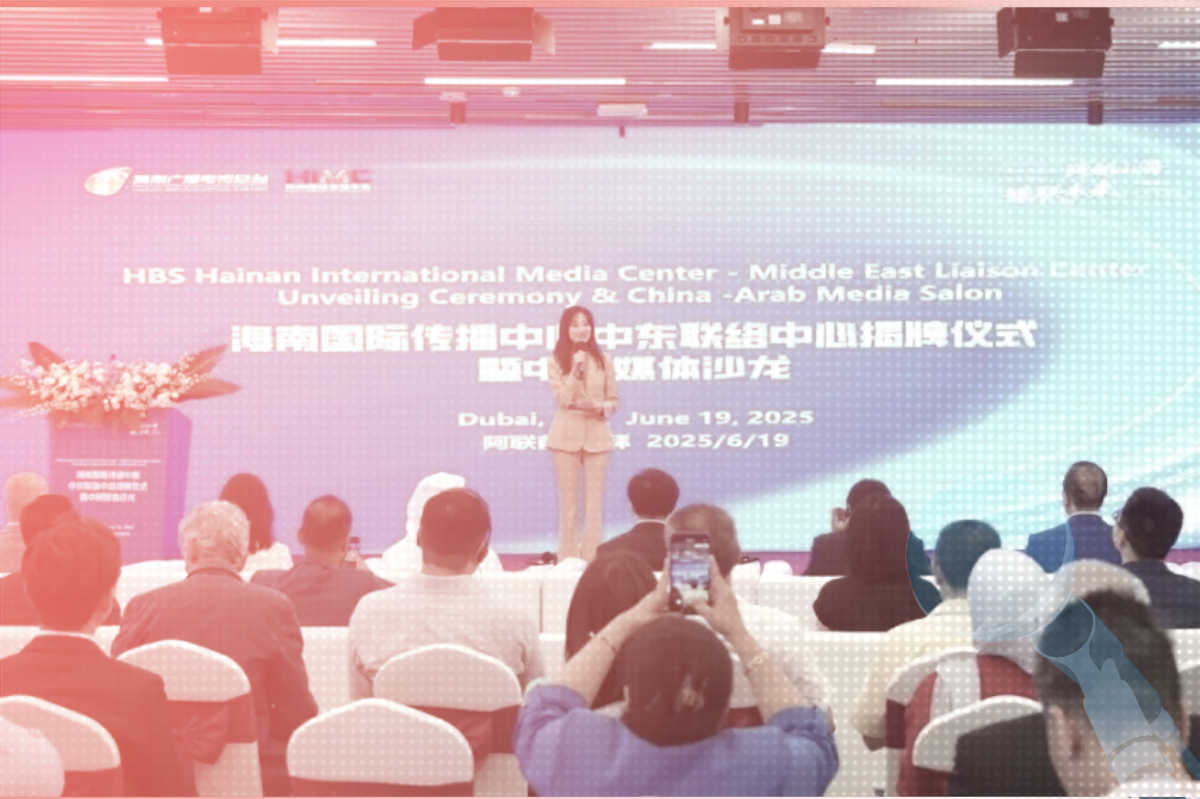
As the provincial government launches a communication outpost in Dubai, it partners with an outlet CMP previously identified as having close ties to China’s foreign affairs ministry.
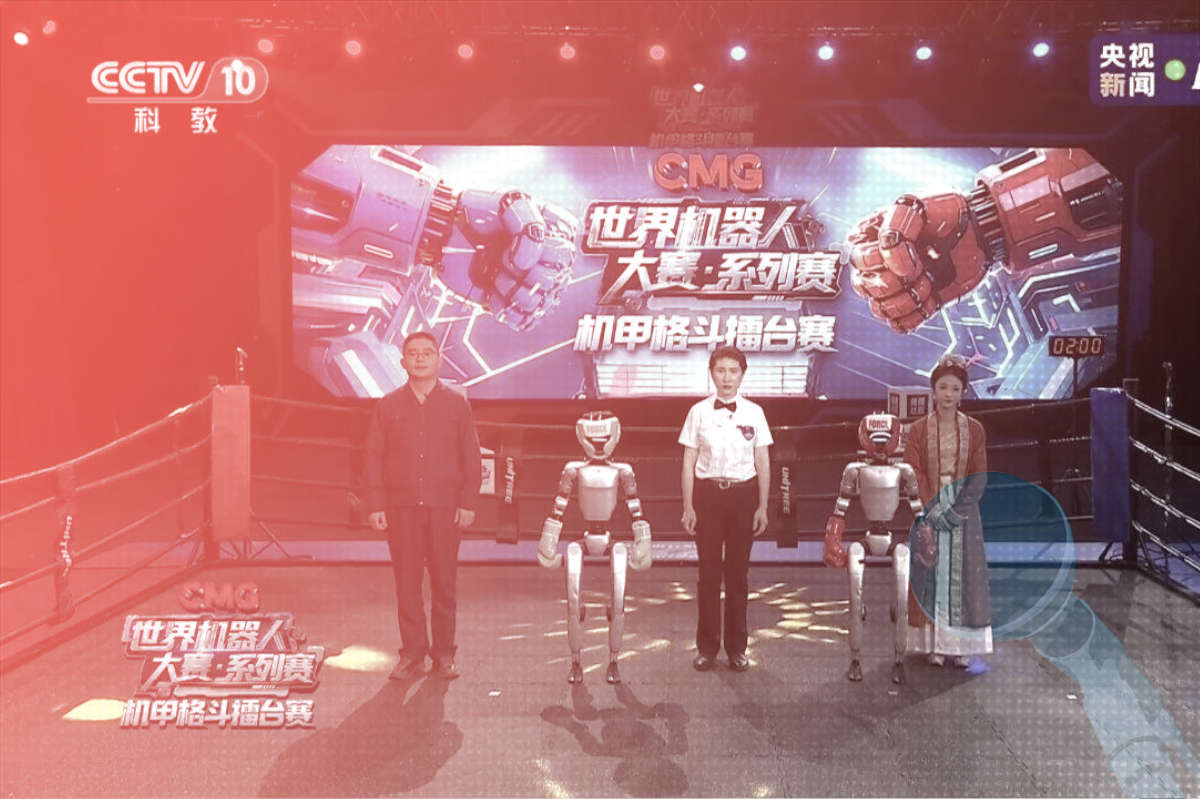
China’s first humanoid boxing tournament generated enthusiastic coverage from media outlets across the world —revealing how tech hype clickbait can serve the goals of external propaganda.
The newest “international communication center” in Hunan recruits college volunteers to promote state-approved narratives about local development to foreign audiences. Is this strategic thinking, or a fatal failure to grasp how communication works?
Xi’an Jiaotong University partners with a state propaganda center to create a “talent pipeline” for China’s global messaging efforts — raising concerns about academic independence as universities become tools in Beijing’s international influence strategy.
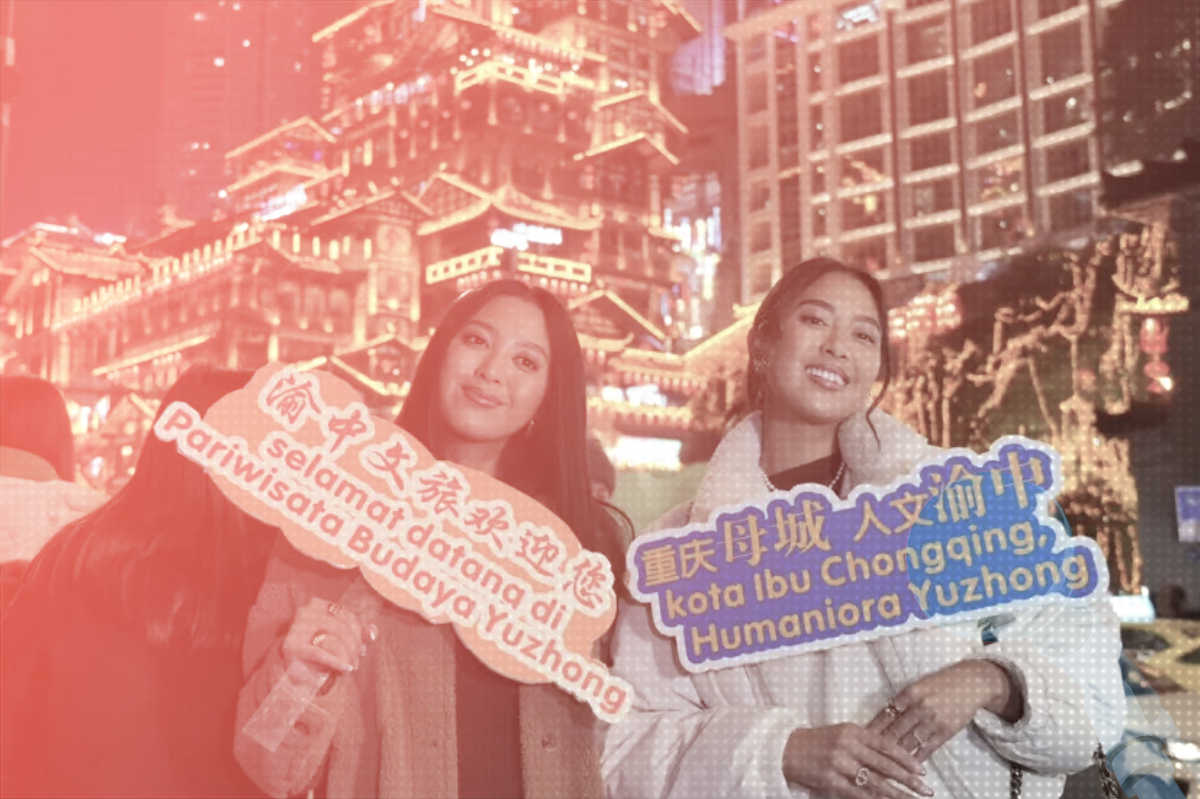
On a recent curated tour of cities in China, Indonesian influencers gushed about food and culture while millions of followers watched. Behind their seemingly spontaneous posts lies a sophisticated state strategy: these digital stars are unwitting ambassadors in China’s campaign to reshape its image abroad, revealing how social media is transforming international relations.
As China’s DeepSeek AI is adapted to censor anti-government content in India, is the technology a gift to despots everywhere?
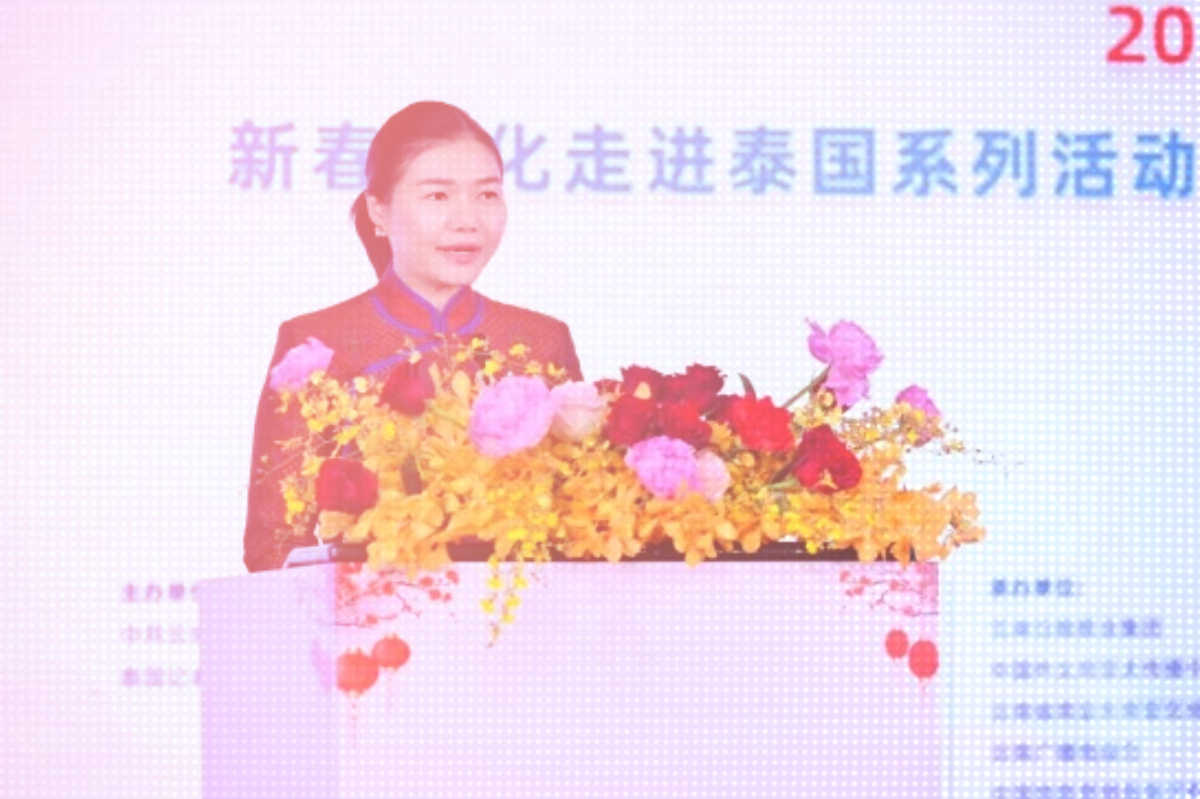
A Bangkok summit celebrating China’s engagement in Southeast Asia reveals Beijing’s growing use of both national and provincial propaganda outlets to shape regional narratives.
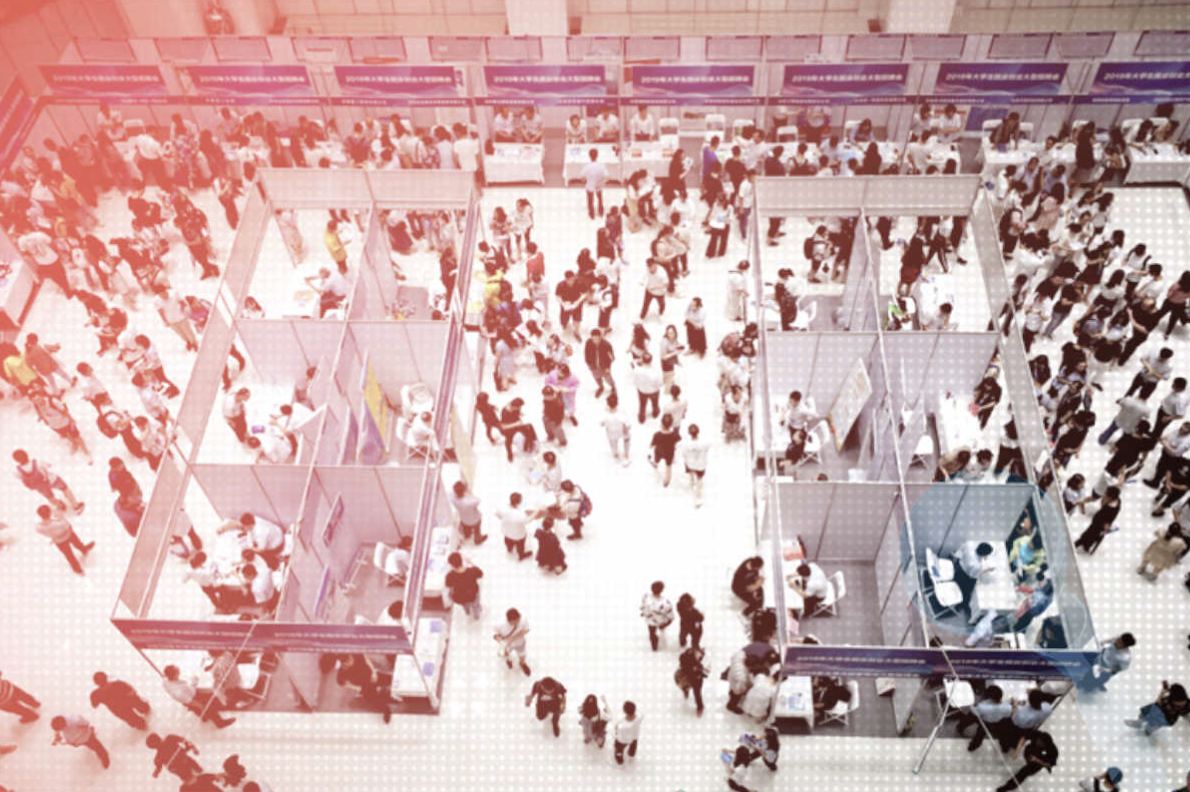
How does China imagine its push for international “discourse power” will unfold? The types of people CCP and government-linked entities are trying to recruit offers an illuminating snapshot.
CCP leaders are mobilizing society in an all-out bid to revolutionize the country’s international communication. Will the strategy end in absurdity and waste?
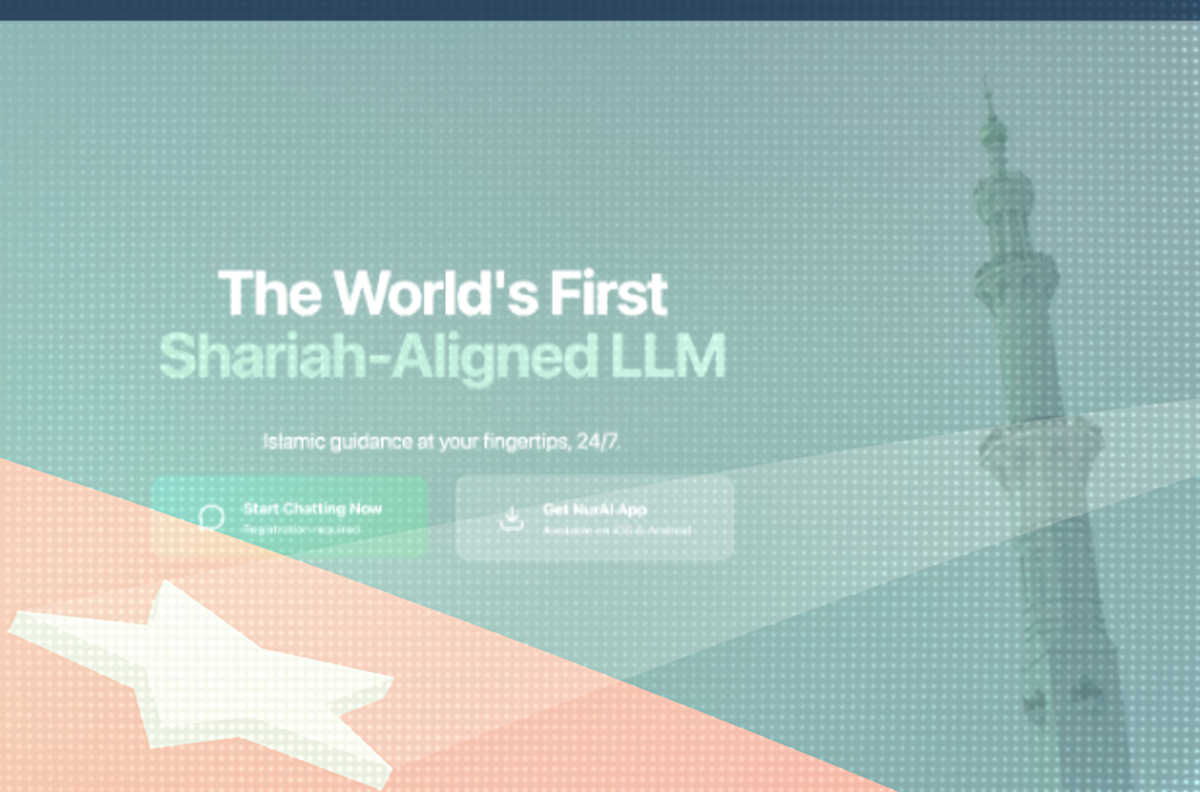
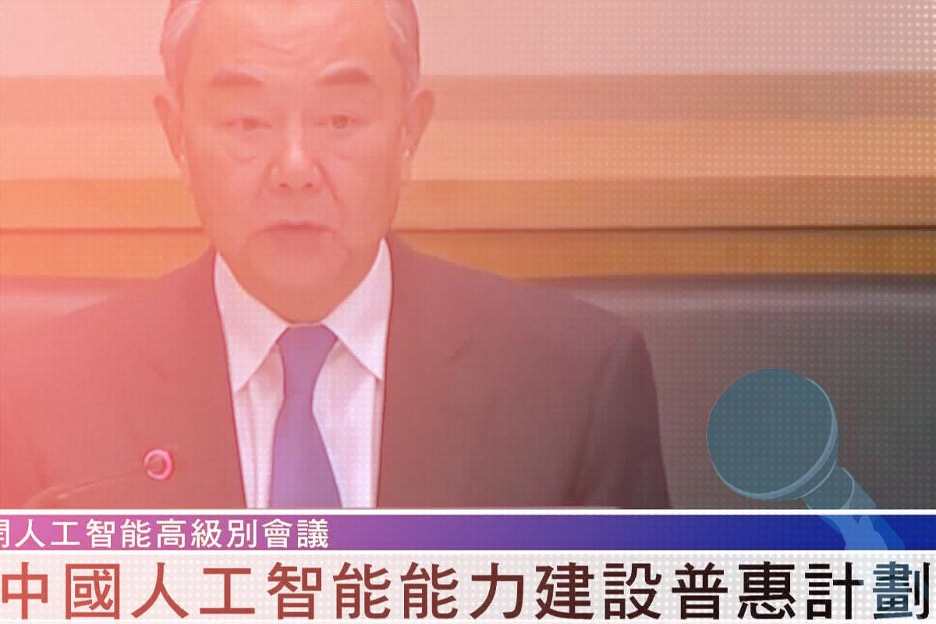
China is positioning itself as an alternative source of AI technology for the global south, undercutting the influence of the West and expanding its own in a critical new field.
China has placed its hopes for greater global influence on a new national network of provincial and city-level communication centers. But as they try to tell China’s story in ways that foreign audiences find compelling, can they find the talented staff they need at home?
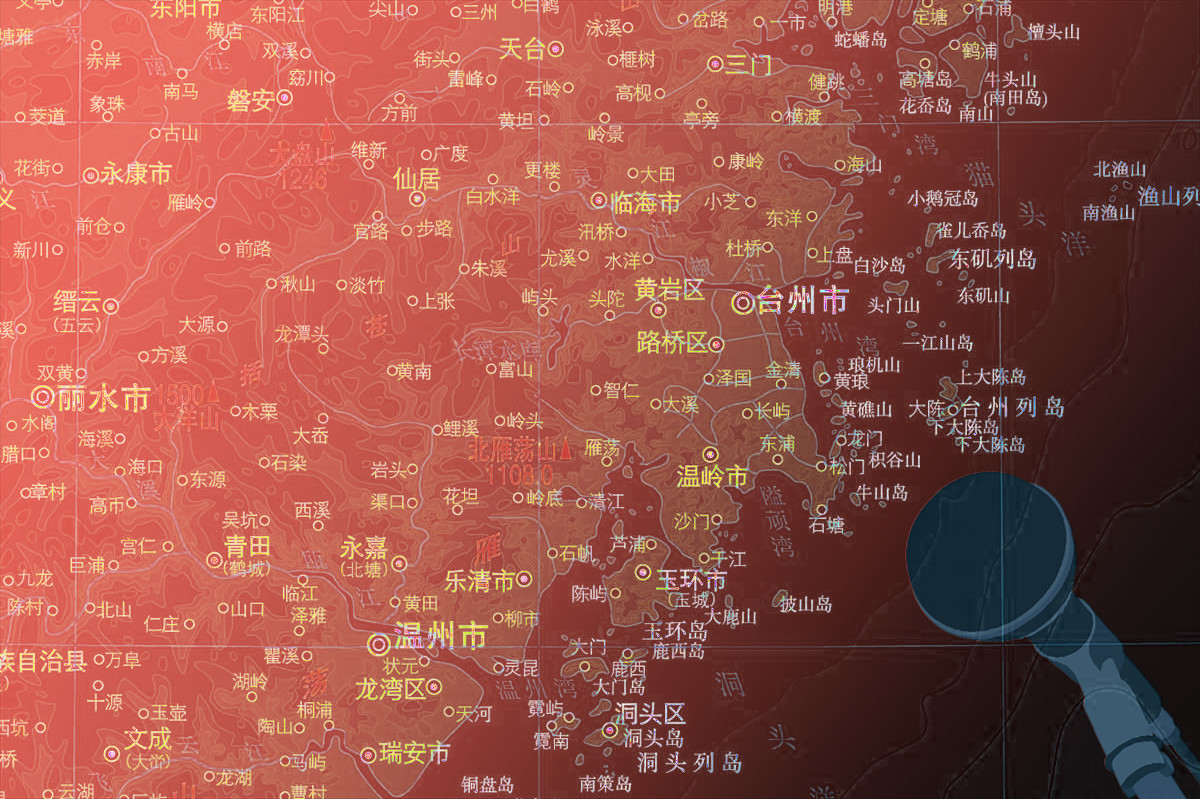
As international communication centers, or ICCs, open across China to beef up its global impact, one province has become home to a disproportionate number. What’s behind the ICC boom in Zhejiang?
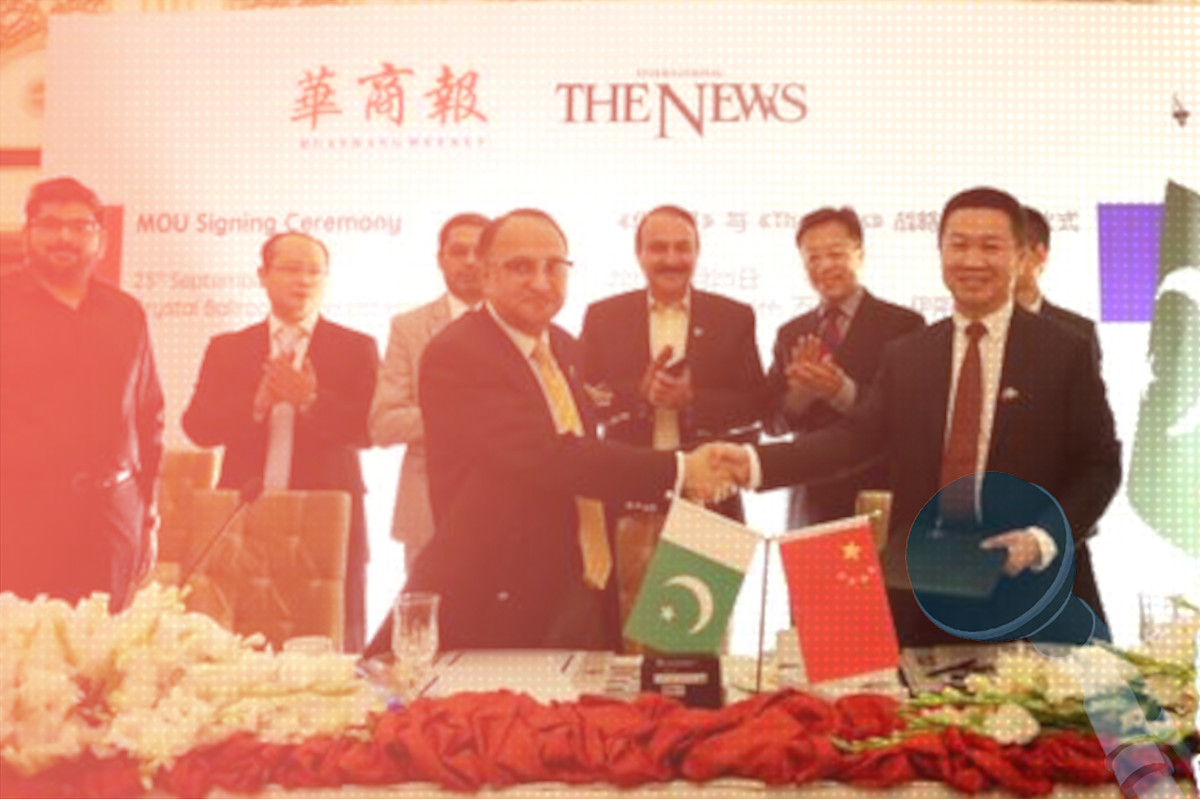
Launched in Pakistan eight years ago, Huashang Weekly offers an up-close look at how China is telling its story overseas by propping up news outlets that amplify its voice.
This week in a study session of the Politburo, Xi Jinping talked about “innovating internet propaganda.” Part of the answer to how China plans to do this lies in its growing network of cloaked official accounts. We take a deeper look.
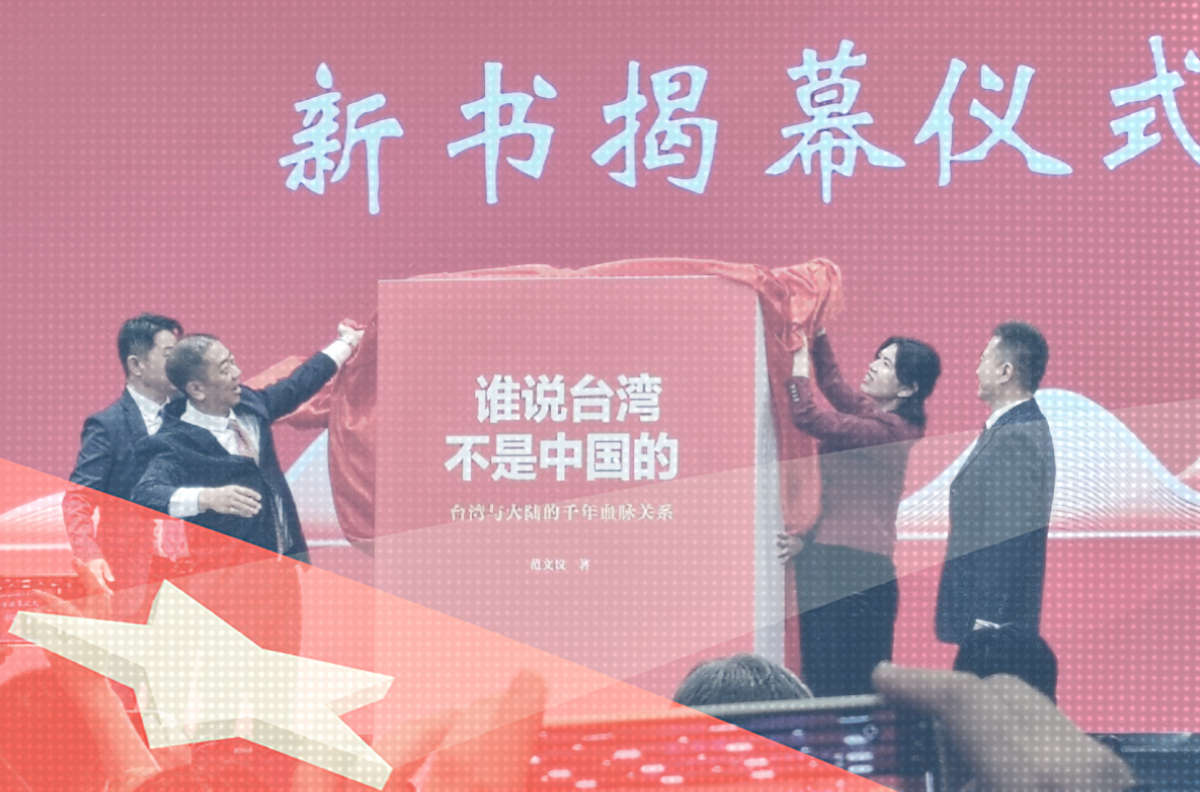
China’s efforts to conduct external propaganda on core issues like Taiwan are often built on totally concocted events, and even spurious or unavailable intellectual works. But that, as Dalia Parete and David Bandurski write, may be beside the point.
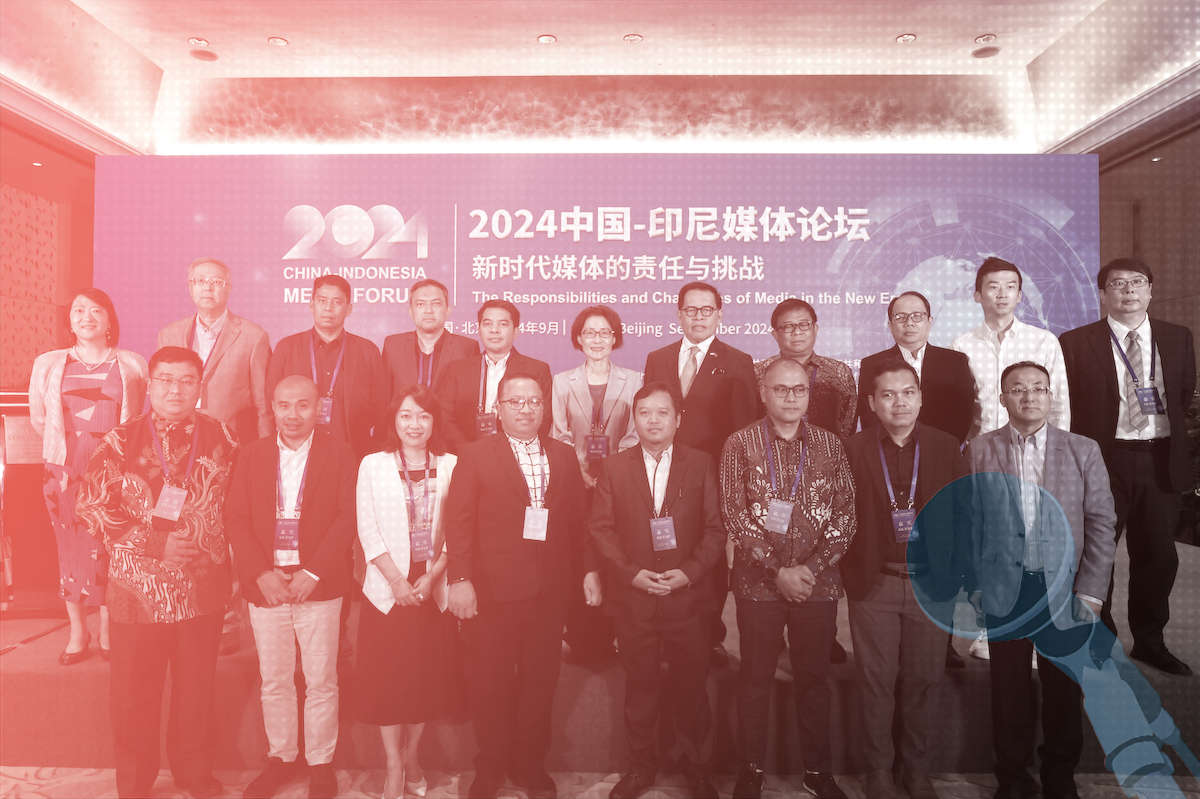
At a recent event for China-Indonesia media cooperation, part of China’s larger push for influence in Southeast Asia, “responsibility” was on the agenda — emphasizing for participants that the role of journalism is to promote good feeling and a smooth bilateral relationship.
Exchanges this week between Guyanese media and a provincial-level communication center in Shandong offer a glimpse of China’s broad push for influence abroad. The secret: convince journalists in the Global South that using Western media sources on China means unfair bias.
A recent series of events on South Korea’s remote Jeju Island offers a glimpse in miniature of China’s vast global media diplomacy campaign to paint the most pleasant picture of Xinjiang, where the country has been accused of serious human rights abuses.
The latest collaboration between the Discovery Channel and state-run media in China has been accused of whitewashing genocide in Xinjiang. Why is this American network so keen to “tell China’s story well?”
A new regional media network for South Asia and Southeast Asia created by the government’s China Daily and the provincial propaganda apparatus in Yunnan offers another glimpse into how Xi Jinping is seeking to remake the CCP’s global communication.
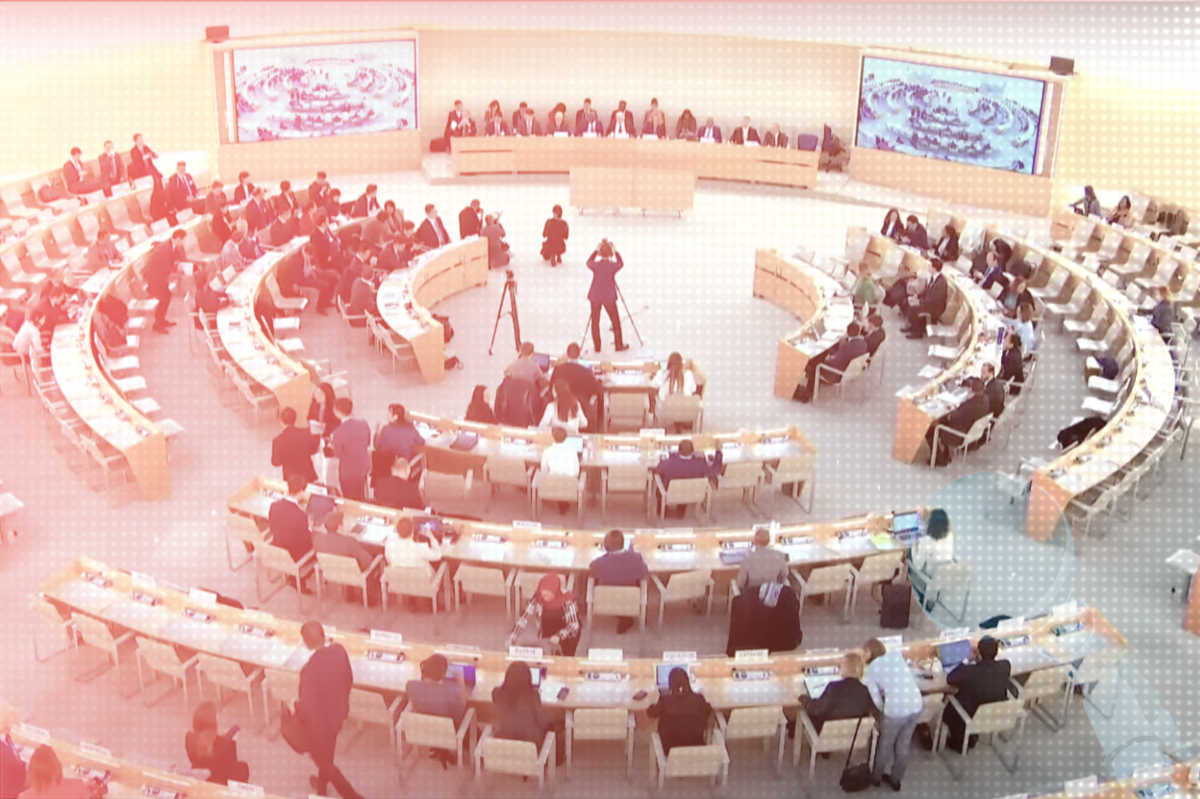
During its recent Universal Periodic Review China emphasized that it had its own path for human rights, rejecting “the West’s” focus on political rights. David Bandurski and Dalia Parete look at how related state narratives have emerged from the heart of the UN.
Angered by what he saw as biased coverage in the Western media in 2008, a Chinese resident in Sweden launched a newspaper and website for the Chinese diaspora in Nordic countries. The outlet is now a megaphone for the external propaganda of the Chinese Communist Party.
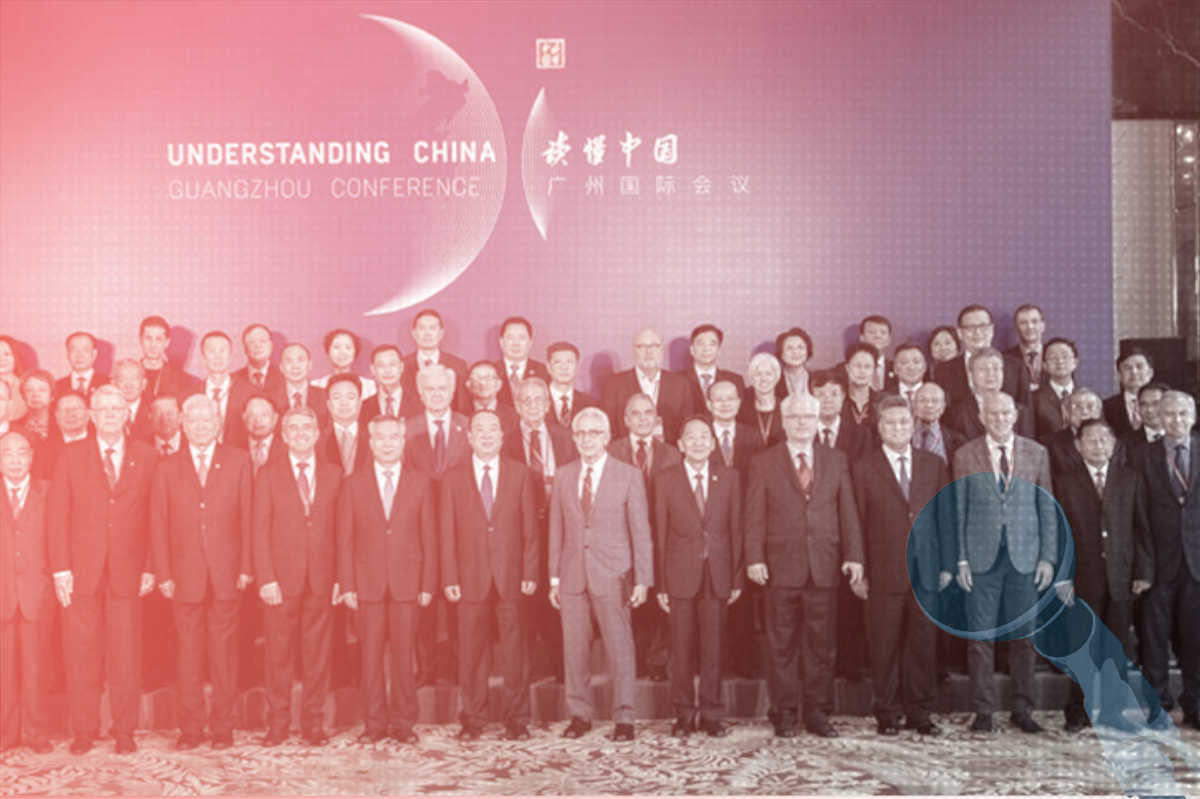
Originally meant as a platform for dialogue, the “Understanding China” international conference has become a mere stage for China’s ruling party. It stands as yet another example of how the notion of dialogue has become twisted by China’s media statecraft in the Xi era — and how cities and provinces are now being roped into the business of external propaganda.
When the Meloni government announced in July that Italy intended to exit Xi Jinping’s signature trade and infrastructure program, Chinese state media made their voices heard. But Italy’s formal step to withdraw last week has met with uncharacteristic quiet.
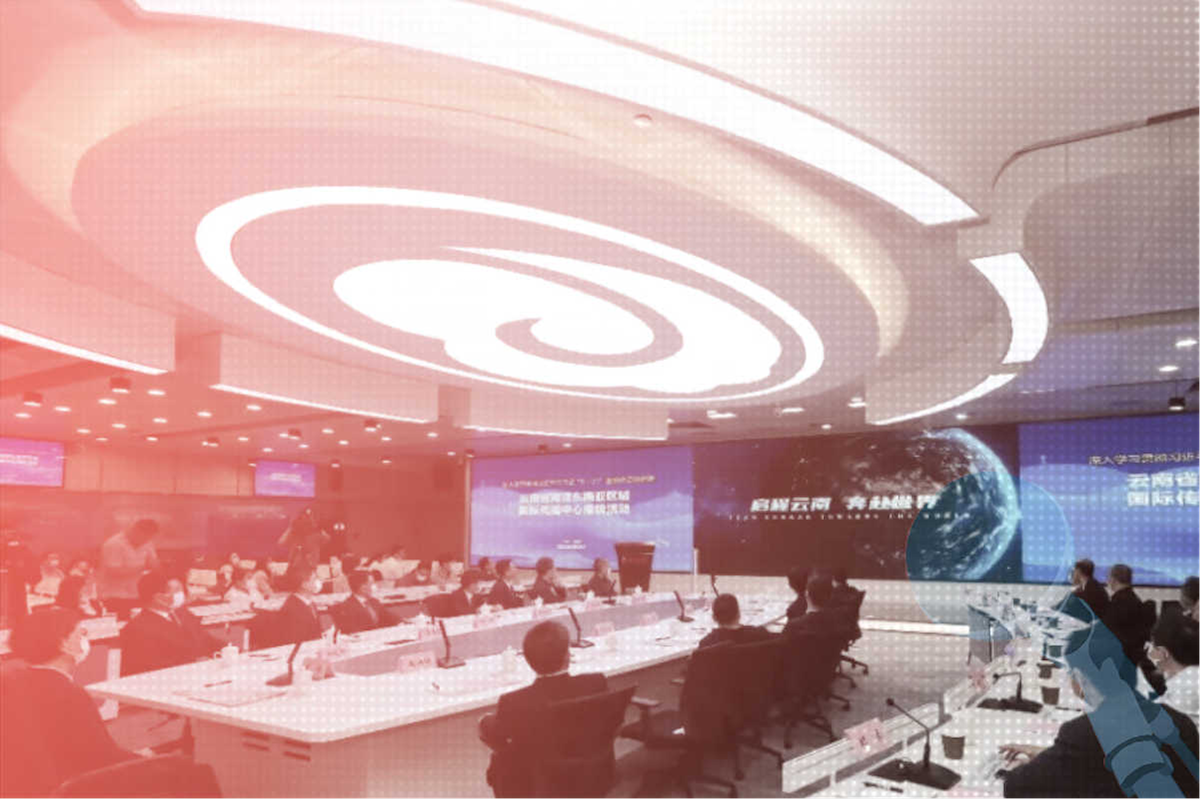
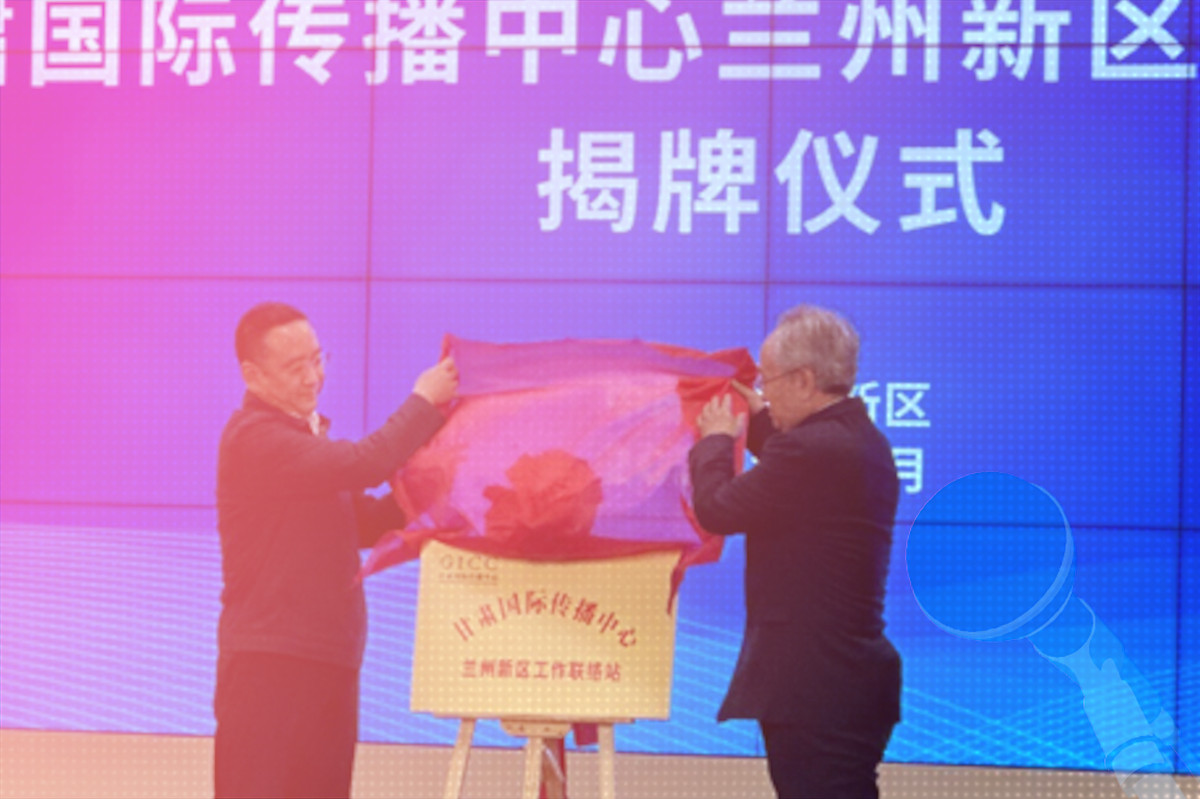
The latest outpost for China’s nascent International Communication Centers has been unveiled in Lanzhou New Area, a satellite city on the edge of the Gobi that has been dismissed as a ghost town. What does this tell us about China’s external propaganda efforts directed westward to Belt and Road partners?
China responded with fury and indignation to a report alleging that it has invested billions to build a “global information ecosystem” to spread propaganda and disinformation. A media analysis of the country’s response, which paints the US as an “empire of lies,” only substantiates the report’s main thesis.
As China pursues water diplomacy with countries along the Lower Mekong, seeking to strike a benevolent tone and downplay environmental and livelihood impacts that have devastated local communities, it has another big tool in its toolbox — media diplomacy.
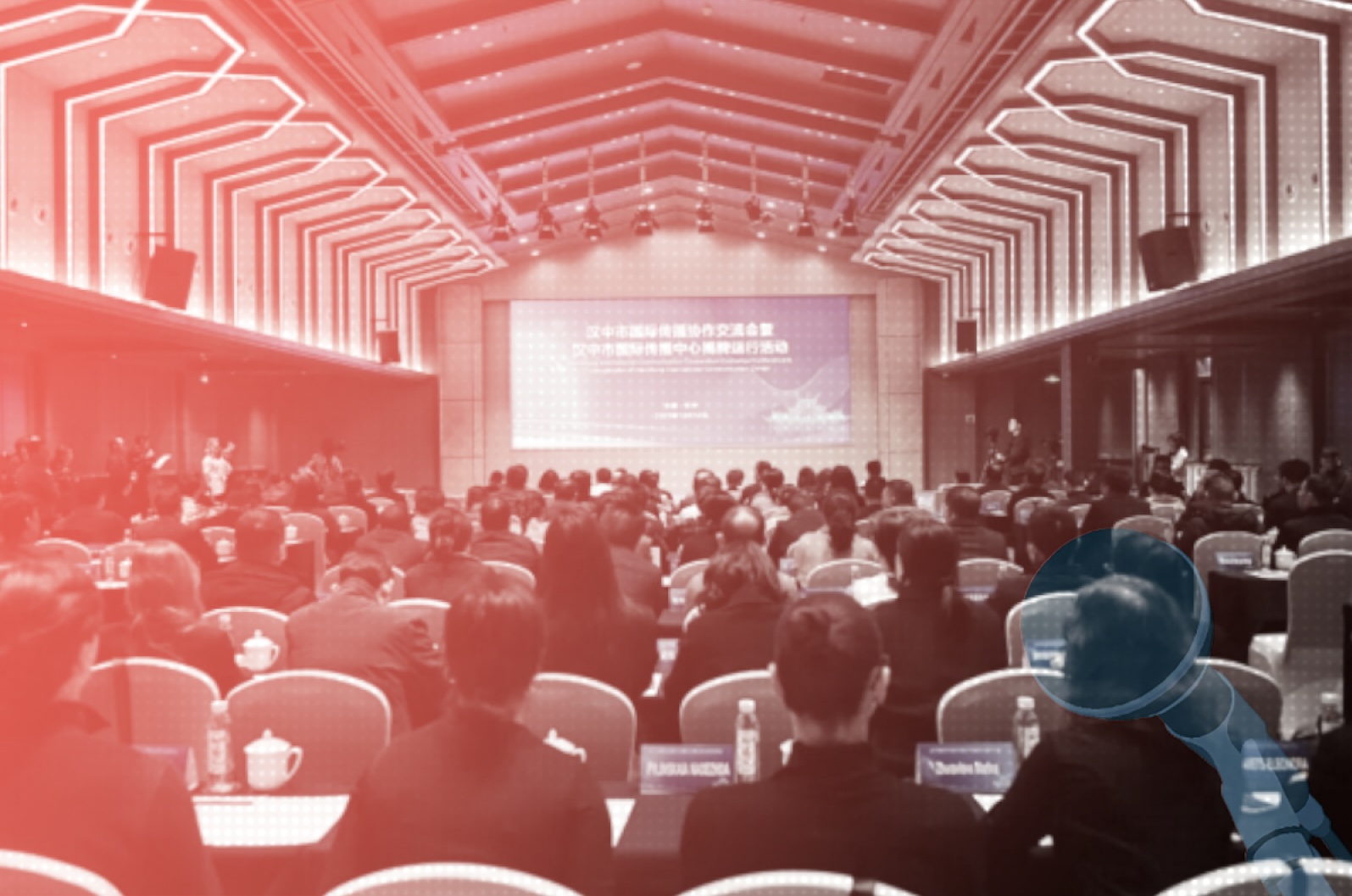
In forums and conferences at every level, Chinese representatives seem eager to foist grand declarations on their guests. Why is China in such a hurry to get past the conversation and sign the dotted line?
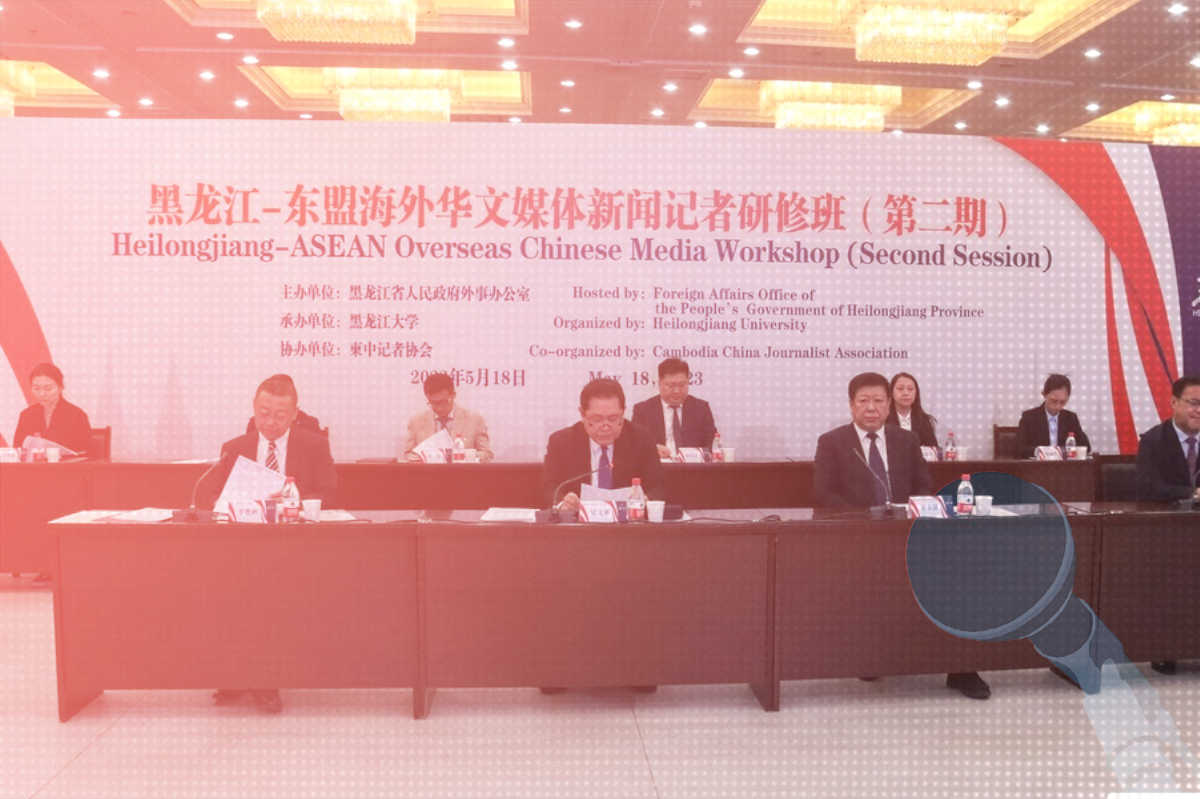
A training session for Southeast Asian journalists hosted by the foreign affairs office in the northeastern province of Heilongjiang is a reminder that China’s state agendas are being actively pushed not just from the top, but from the local and regional levels as well.
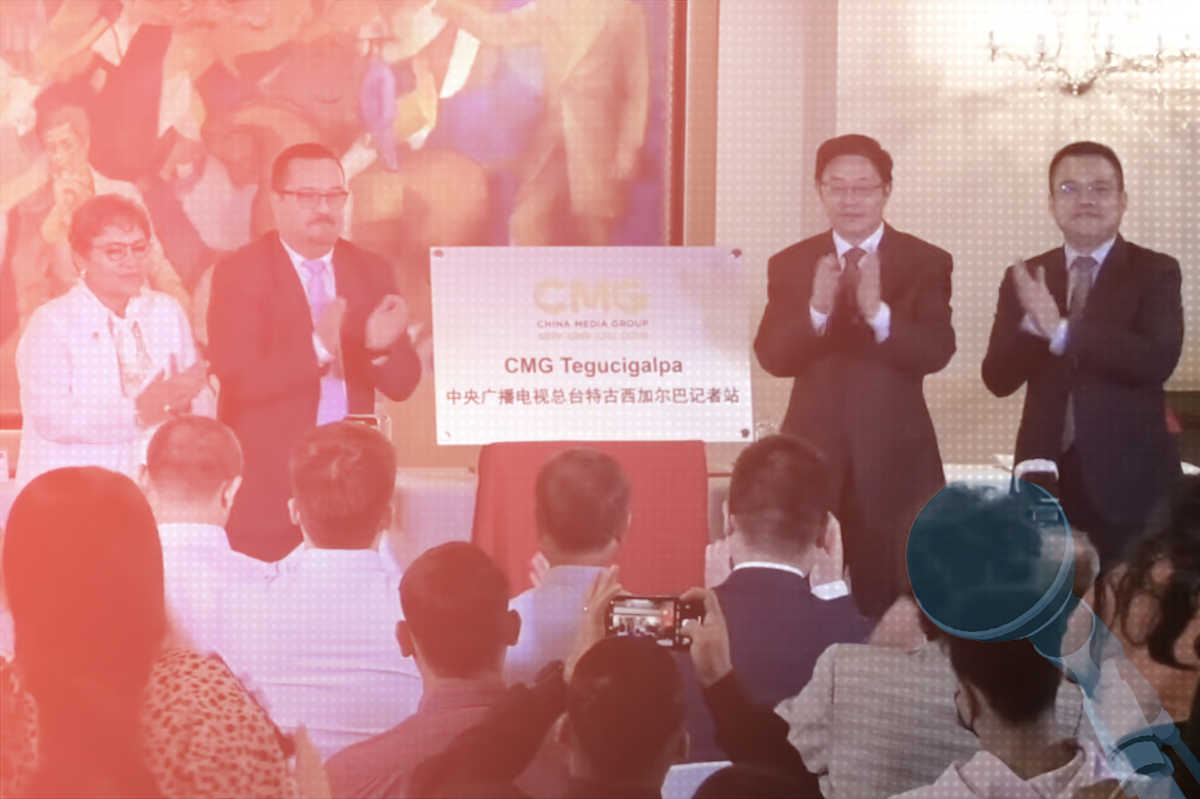
State media fanfare last month over China’s re-established diplomatic relations with Honduras revealed just how indistinguishable China’s diplomatic, media and intelligence strategies can be across the region, and around the world.
At a recent journalism forum in Phnom Penh, the head of an organization claiming to represent local Chinese-language media spoke out against fake news — as he spread false narratives directly from China’s foreign ministry and state media outlets.
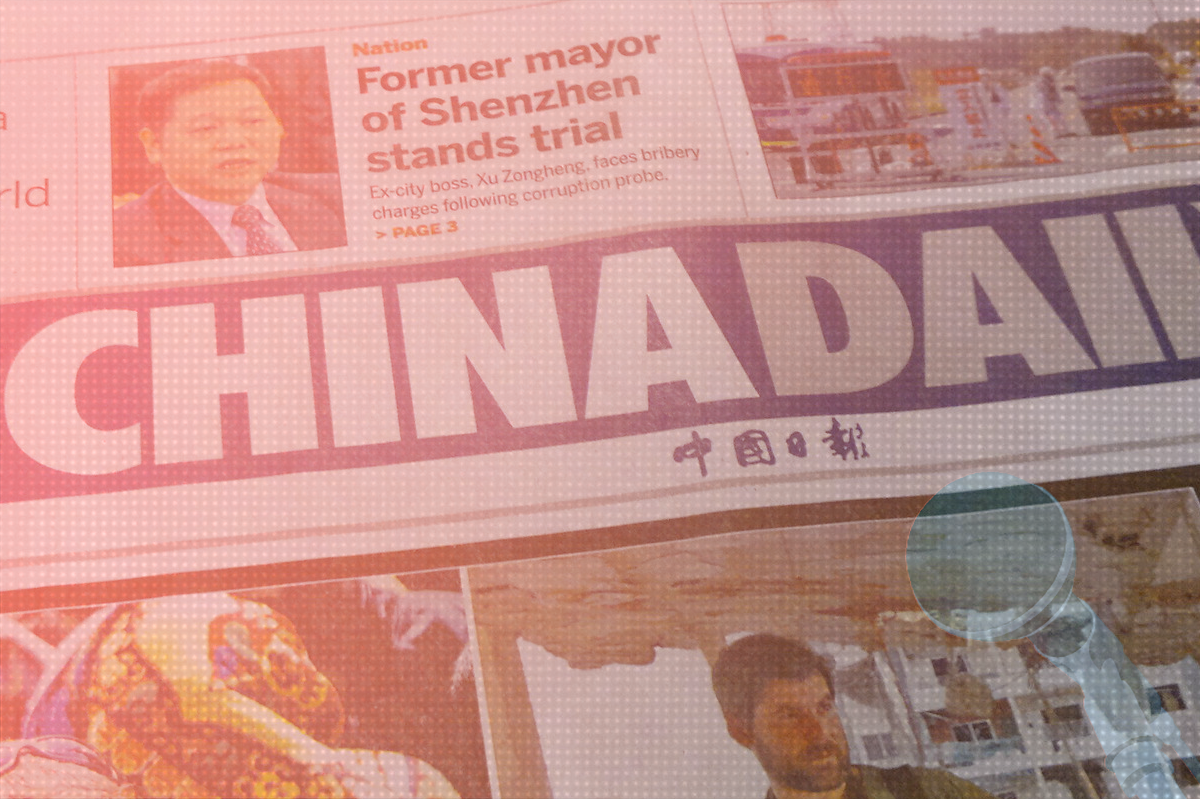
According to its latest filings to the US government, the China Daily makes no profit, spends little on reporting, and outsources printing. So what business is this “newspaper” really in?
As documentaries and other forms of factual storytelling have emerged as a key means for China to influence global public opinion and “tell China’s story well,” one CCP-run production outfit has taken the lead in developing partnerships and co-productions with credible foreign channels. Our in-depth look at the China International Communication Center (CICC).
A new university research center in Jiangxi province with the stated intent of exploiting international exchange students to further China’s external propaganda goals should alert universities around the world to the dangers of the CCP’s transactional view of friendships and exchanges.
Recent reflections on China’s efforts at global influence in the CCP’s official newspaper suggest core Party media have made little real progress in developing their own international channels for communication since “going out” was defined as a key goal in the late 2000s — and that when it comes to foreign audiences, they just aren’t listening.
So far unremarked by the outside world, a slow change in translation has unfolded this year in English-language reports about Tibet from one of China’s key official media outlets, and in materials from the country’s Ministry of Foreign Affairs.
Why did four Chinese propaganda documentaries of questionable quality and dubious provenance win awards at minor, as well as fake, international film festivals?
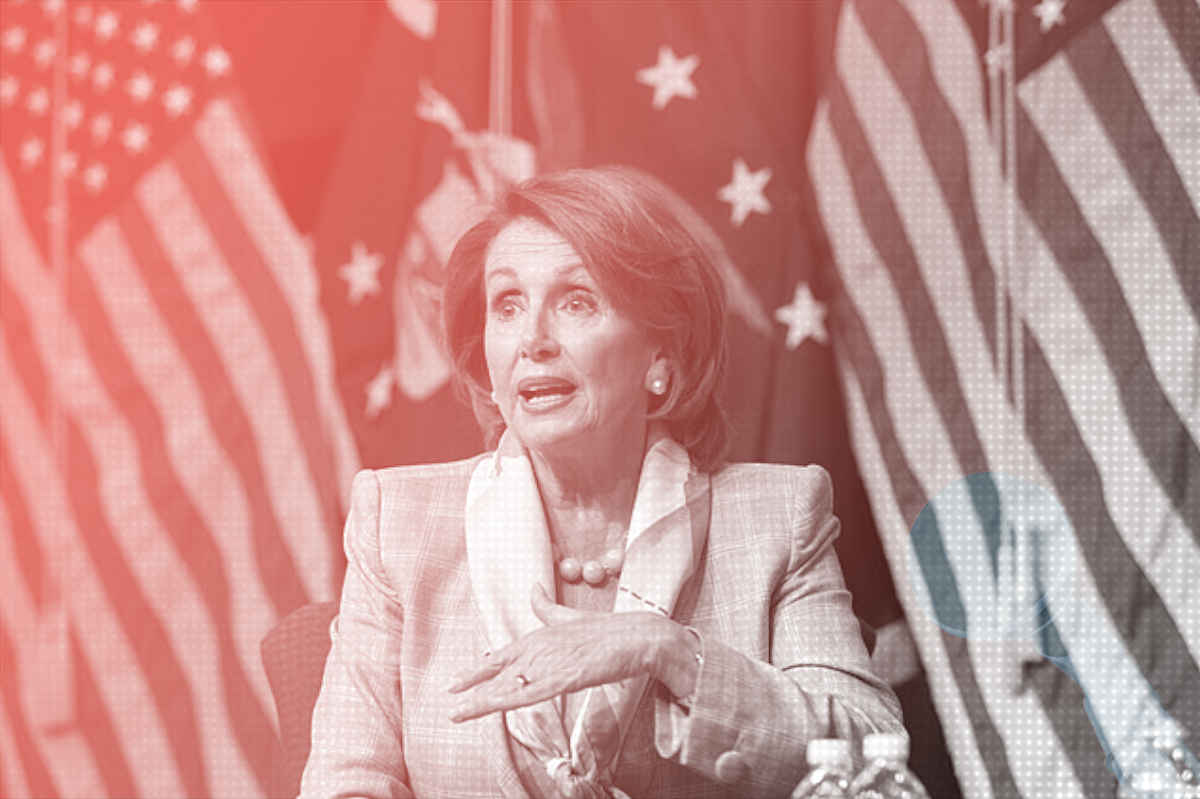
Chinese state media have lined up international voices speaking against the visit to Taiwan by US House Speaker Nancy Pelosi. But sources professing outrage have appeared with suspicious regularity in external propaganda for years — suggesting they are borrowed voices speaking the CCP’s convictions.
It has been a rocky eight-year journey for China’s World Internet Conference, and global credibility still eludes the event. Here’s what you should know about the CCP’s latest effort to re-frame WIC as an international organization. Let the buyer beware.
The latest inflammatory rhetoric from Zhang Weiwei, head of the China Institute at Fudan University, is a concerning sign of what his thinking on external messaging, which has found a willing ear in the leadership, means for intellectuals at home.
After a Chinese diplomat’s tough interview on an American news show, a questionable meme galvanized anger on Chinese social media over the country’s supposed mistreatment. The story behind the meme is a textbook lesson in coordinated distraction by China’s new generation of state-run media.
New bright orange labels on the popular social networking service warn users to reconsider before sharing content from “state-affiliated media.” But are these labels overreaching in ways that could also limit the spread of some of China’s best reporting?
In recent weeks, as Ukraine and its people have suffered under Russia’s unprovoked aggression, China’s government and state media have sought consistently to pull the focus back to a single central narrative – the guilt and irresponsibility of the United States.
China’s annual “two sessions,” the political meetings that just closed in Beijing, are not just about introducing policy decisions and new legislation. They are also seen by the government and official state media as a prime time to deliver China’s propaganda message overseas, extolling the virtues of the country’s leadership.
Aired on the Discovery channel in Southeast Asia and India — and perhaps coming soon to a channel near you — Journey of Warriors may look like just another documentary survival series. But there is more to this internationally co-produced adventure than meets the eye.
Facing criticism ahead of the Beijing Winter Olympics, the Chinese government has repeatedly criticized what it calls the “politicization of sports.” But China’s own words and actions make it patently clear that its leaders, determined to tell a one-sided “China story” at the expense of diverse voices, see these Games through a self-serving political lens.
Xi Jinping has emphasized the crucial role of Chinese traditional culture in “telling the China story well” and building up the country’s international influence. But who says China can’t find discourse power on a post-apocalyptic desert highway in the American West, where zombies and monsters must be dispatched through brutal combat against the backdrop of Japanese billboards?
We use cookies and similar technologies to improve your experience on our website. Read our Privacy Policy.
This website uses cookies and similar technologies. They are grouped into categories, which you can review and manage below. If you have accepted any non-essential cookies, you can change your preferences at any time in the settings. Learn more in our Privacy Policy.
These technologies are required to activate the core functionality of our website.