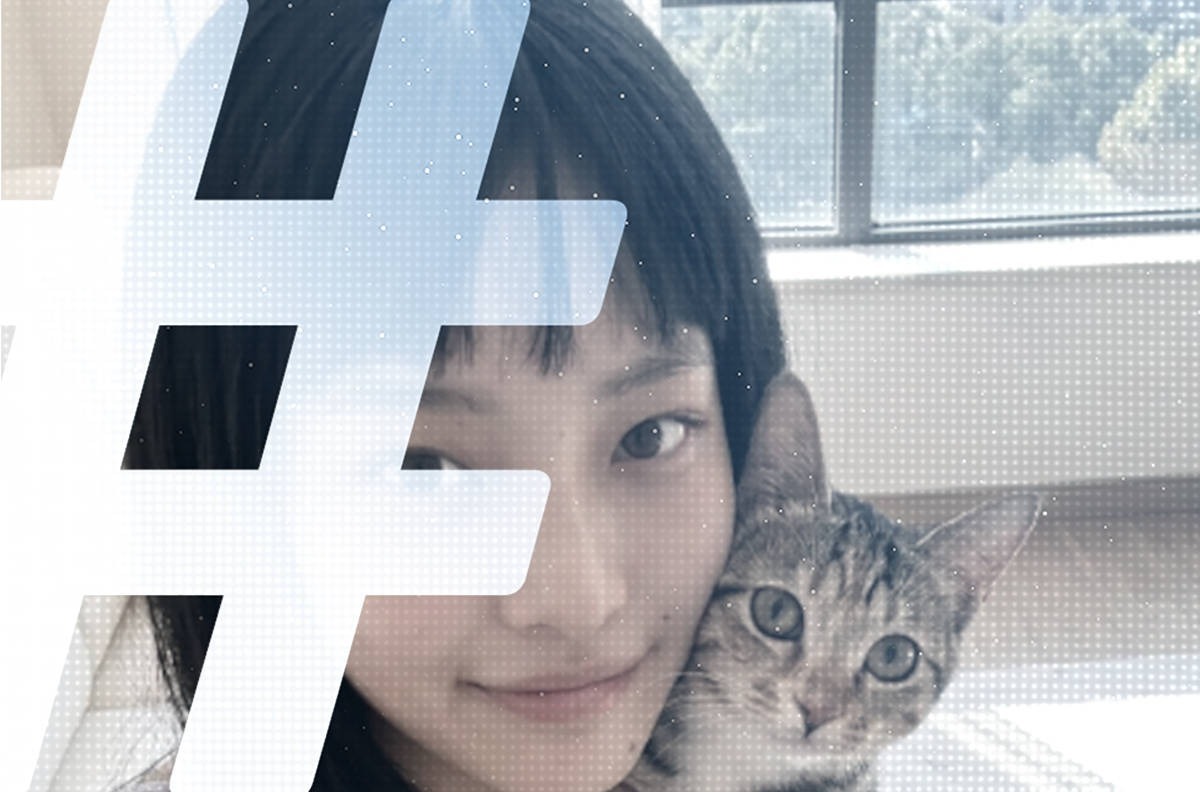
Launched at the start of the sweltering summer, the Chinese short drama “The Girl Who Was Laid Off” (被裁掉的女孩) spread like wildfire on the short video platform Douyin (抖音), China’s homegrown version of TikTok. The show’s star, Fang Taozi (方桃子), or “Peach Fang,” rode the show’s success to personal fame by playing the relatable role of the morally centered small-town girl trying to reach her dreams in the big city. By late July, the show topped 200 million views, and Fang’s Douyin account was closing in on half a million followers. This made her product promotion royalty as an influencer, commanding a rate of more than 258,000 yuan, or roughly 36 thousand dollars, for any video above 60 seconds.
It seemed that nothing could break the dream — until last week, when Fang Taozi began promoting NUT NUT Look brand contact lenses for an Anhui manufacturer. “I wore them all day long,” she declared in a promotional video, “and it was comfortable the whole time!”
The problem: Fang Taozi may command a very real six figures, but she is an artificial influencer generated by state-of-the-art AI. She has no physical body. Nor does she have any real concept of comfort and discomfort.
Should she be remarking on human experience at all?
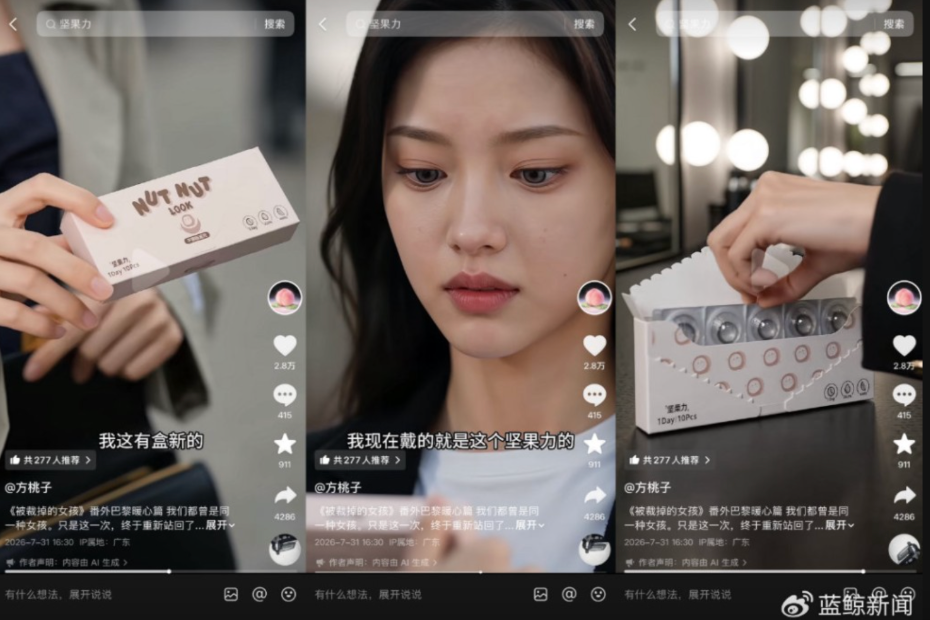
As the promotional video had Fang Taozi trending on social media — ”How can she test these?” asked one user; “She doesn’t even have eyes!” — these were the questions raised by Beijing Business Today (北京商报), a business newspaper published under the state-run Beijing Daily Newspaper Group. In a commentary stating the obvious, that AI characters do not have bodily experiences and cannot wear, feel, or evaluate physical products, the paper questioned Fang’s authority and the credibility of the marketers. “Advertisements may be able to fabricate appearances, but they cannot fabricate the reality of consumption,” the paper wrote.
There were legal blind spots as well, the outlet reported, drawing on the analysis of real-life lawyers. Virtual images created with artificial intelligence could not be legal persons, they said, and therefore could not qualify as “endorsers” (广告代言人) under Chinese law. Moreover, under Chinese regulations, the colored contact lenses sold by Anhui Huaxin Enterprise Management Co., Ltd., the makers of NUT NUT Look, would be considered Class III medical devices, which under advertising laws cannot be promoted by endorsers.
Convincing Bruises
The Fang Taozi discussion this month is sure to be the first of many that explore the implications of a world in which corporations and other institutions and entities can impersonate individuals in an AI-driven world.
A History of China’s AI Influencers
From 2020 to 2026

翎
Ling
Regarded as one of the first hyperreal virtual influencers. Built with an East Asian beauty ideal and a persona rooted in Peking opera and calligraphy, she appeared on the cover of Vogue China.

阿喜
Ah Xi (Angie)
Purposefully imperfect, having noticeable skin texture, pimples, and slightly misaligned teeth. She gained a Douyin following thanks to her relatable attitude, which distinguished her from glossier virtual influencers.

柳夜熙
Liu Yexi
A beauty influencer known as a demon-hunting makeup artist. Her debut video mixed cinematic special effects with beauty content and went viral within hours.

AYAYI
AYAYI
She became famous after she posted a single photo on the social media platform Xiaohongshu (小红书). She later became online retailer shop Tmall’s digital brand ambassador and partnered with luxury brands.

天妤
Tianyu
Tianyu is a Chinese virtual influencer with Tang-dynasty-style makeup and fashion. She launched in April 2022 and went viral fast, with 2 million followers within a month. She also built an overseas following on TikTok.

方桃子
Fang Taozi
A fully AI-generated actress and influencer, starring in the short drama “The Girl Who Was Laid Off” (被裁掉的女孩). She crossed over into an independent lifestyle vlog persona.

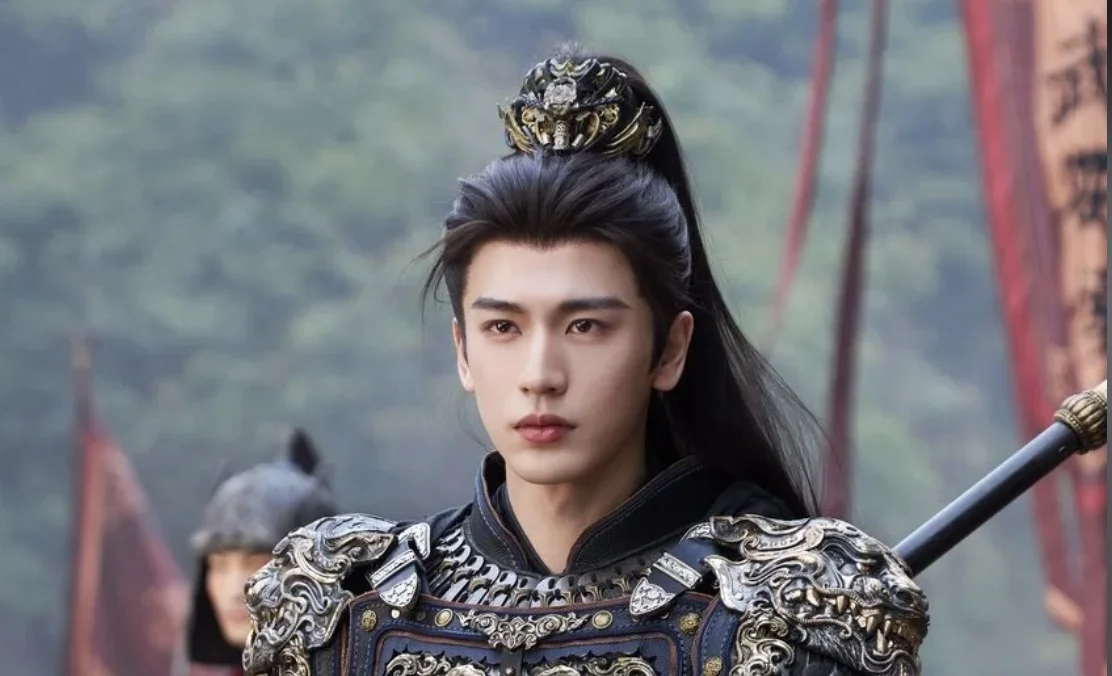
周以衡
Zhou Yiheng
The AI-generated male co-lead alongside Fang Taozi in the short drama “The Laid-off Girl.” After the drama’s popularity, he gained followers on his social media account, becoming an influencer too.
These days, the dreams can seem startlingly real. Amid the more than 220,000 AI dramas that aired in China during just the first half of this year — 90 percent of them failing to draw audiences — Fang Taozi stood apart because of how unpolished and authentic she appeared on her social media page. Her makeup altered between posts, leaving her convincingly bare-faced or smudged after what were supposedly long and tiring days. She had real apparent skin texture, including moles and tired circles under her eyes. Such fictional imperfections made her more convincing to her audience.
So how does the very authentic looking Fang Taozi, trying to make it as a model in the big city, connect to the real world?
Fang Taozi is the creation of a small team led by a writer-director identified by the pseudonym "Feifei Fei" (菲菲飞). She is managed as an AI talent by the show’s production company, Guangzhou-based My Film & TV Media Co. (广州我的影视文化传媒有限公司), founded in 2019 and majority owned (75 percent) by Fang Fei (方菲), the real-life former model behind the “Feifei Fei” pseudonym, who once modeled for fashion magazines like ViVi (昕薇). My Film, which also offers videography and business consulting services, is 25 percent owned by Guangzhou Thirteen Culture Communication Co., Ltd. (广州十三文化传播有限公司), which calls itself one of China’s “top content and e-commerce MCN platforms.” MCNs, or "multi-channel networks," are companies that manage, package and monetize a growing range of content creators such as livestreamers, influencers and video creators whose content is distributed on services like Douyin, the social e-commerce platform RedNote (小红书), the short-video platform Kuaishou (快手) and Weibo.
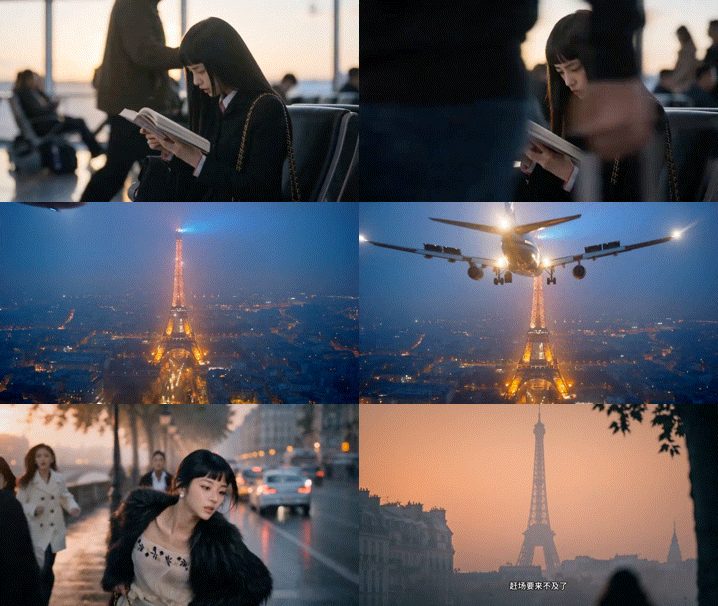
The fictional Fang Taozi, the young woman trying to realize her dreams, will of course not see a single yuan of the revenue generated by successes of “The Girl Who Was Laid Off,” which was reportedly created with the help of LibTV, an AI video-making service that allows users to submit a story concept and receive an AI-generated film. Those earnings will fly directly into the accounts of My Film and its two shareholders, once the platforms have taken their share. There will be no need, as is standard with human influencers, to pay commissions out to talent agencies or managers.
The problem with “Peach Fang” is one that is not unique to China, and that will continue to be a topic of discussion, debate — and probably regulation. AI influencers such as Lil Miquela from Brazil and Rozy from South Korea have also dominated social media and faced similar controversies. In each of these cases, audiences have enjoyed and consumed synthetic characters, but been jarred from their dreams when these AI personalities have pretended to real-life experiences that have a claim on our human materiality — like contact lenses they cannot have tested.
Fang Taozi’s first controversy came to a close last weekend with the quiet removal of the NUT NUT Look video, reported by Guangzhou’s Southern Metropolis Daily (南方都市报) newspaper. The report, quoting lawyer Chen Zekun (陈泽坤), also sounded another warning about the real-life legal limits of virtuality. “The fact that a virtual person lacks legal personality,” he said, “does not mean that the team and the related entities behind it are exempt."