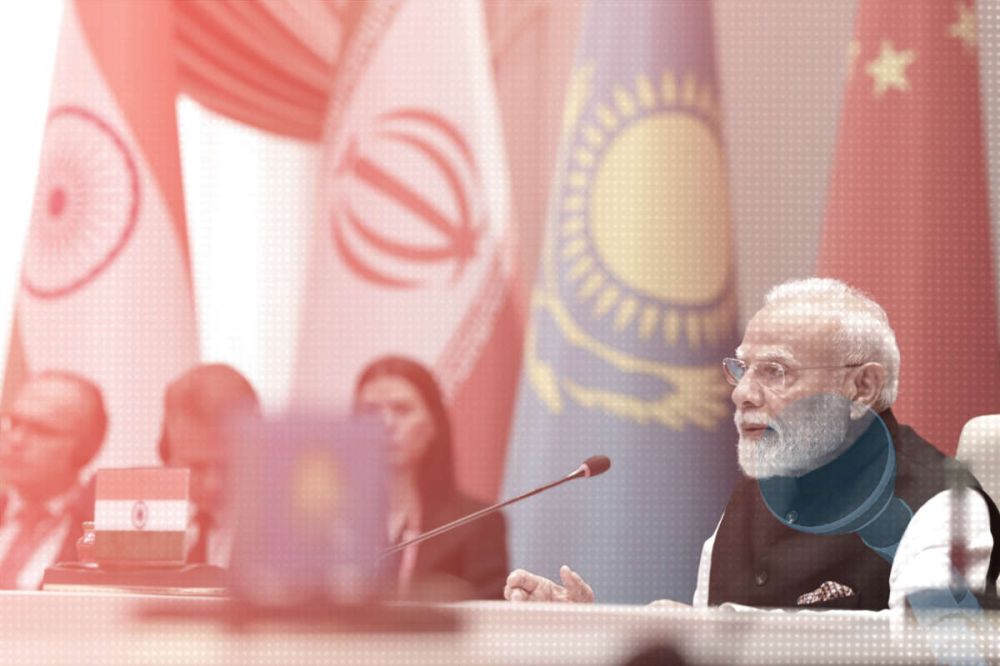
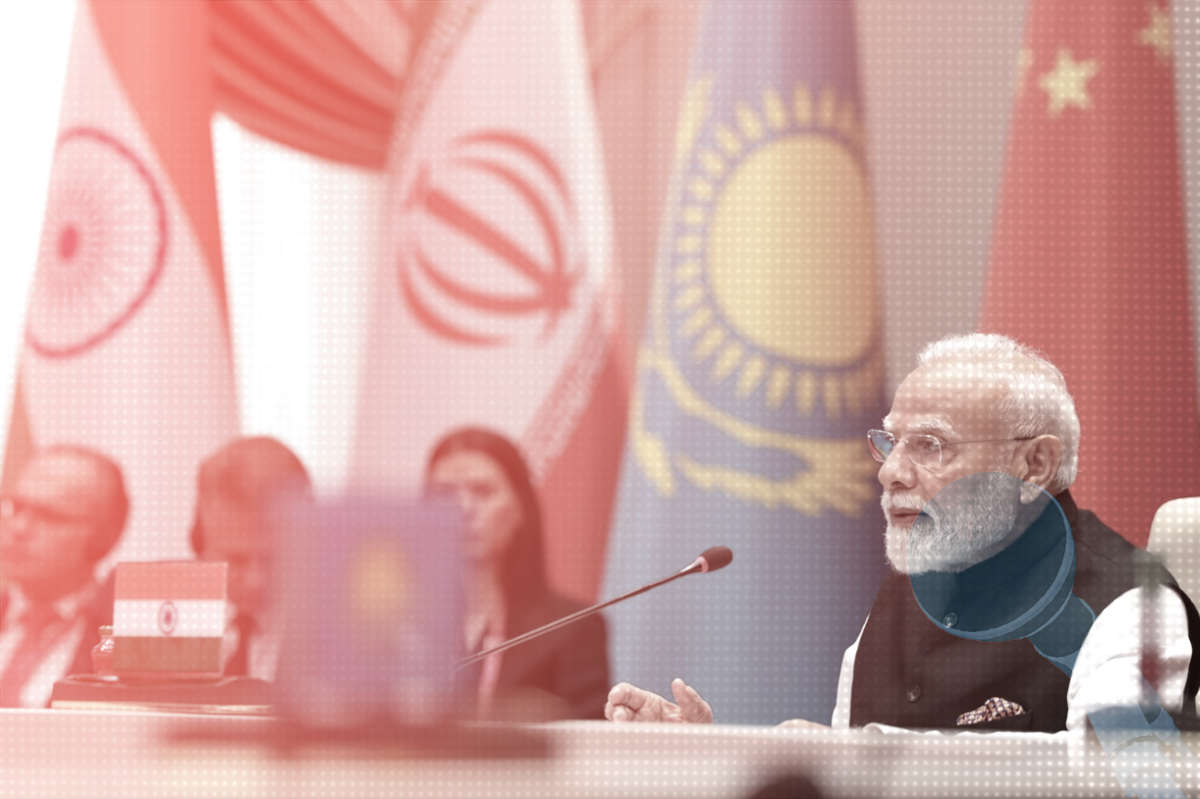
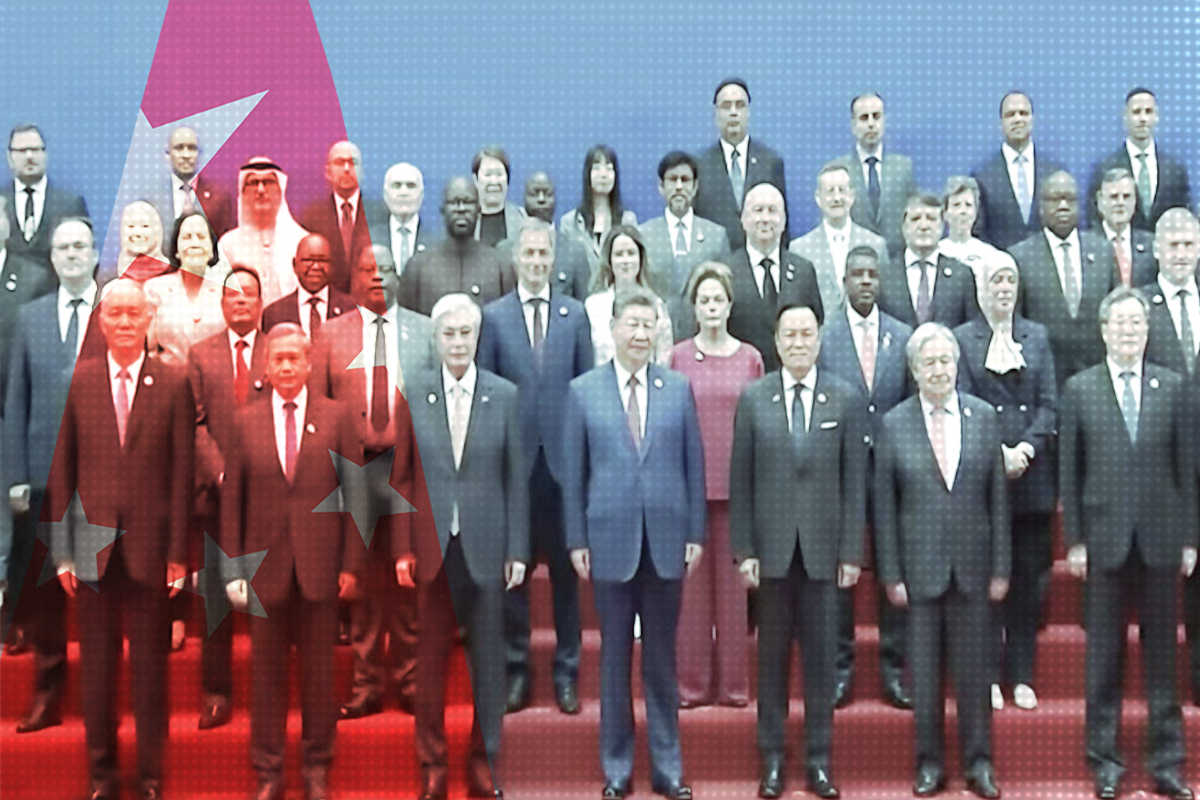
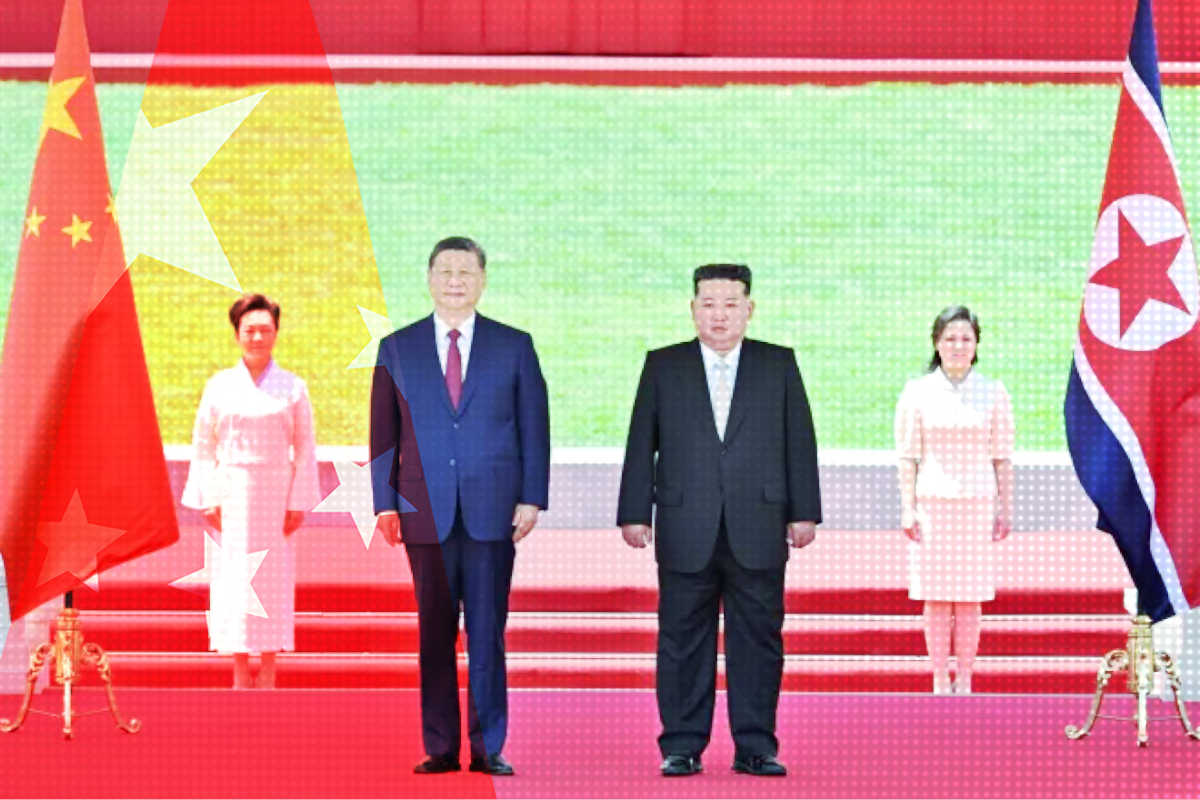
As a leaders summit in the Kyrgyz capital of Bishkek brought together heads of state from across Eurasia, the Middle East and South Asia on Monday morning, China’s official People’s Daily newspaper dedicated the top spot on the front page to a self-congratulatory report on the cross-regional success of a television program about the pithy, homespun talk of Chinese leader Xi Jinping.
The multi-lingual production, the report said, had aired through Kyrgyzstan’s national broadcaster on Sunday, the day of the Chinese leader’s arrival. It had showcased to millions of viewers “the outstanding political wisdom of President Xi.”
At first glance, this front-page story looks like more of the same from the flagship paper of the Chinese Communist Party (CCP) — straight up propaganda promoting the global charisma of the man at the top of the political pack. In fact, this example is something more. It is meta-propaganda, and it points to the broader global infrastructure China builds and leverages, day in and day out, to promote its political system and interests abroad.
In this case, as is often true when it comes to parsing official CCP discourse, “reading” between the lines is about grappling with the structures beyond the text — and taking them seriously.
The Xi broadcast that aired Sunday on Kyrgyzstan’s National Television and Radio Broadcasting Company (NTRK), a network that reaches close to 40 percent of the country’s population, ran on at least nine other outlets in Eurasia, South Asia and the Middle East, all corresponding with the Bishkek summit of the Shanghai Cooperation Organization (SCO), the Eurasian regional political and economic organization. Broadcast partners included Kazakhstan’s national television network, the Belarussian outlet Belteleradio, Kazakhstan’s state-run Khabar Agency as well as its presidential broadcast service, Russian state television and the Russian government outlet Rossiyskaya Gazeta, the Russian-led regional news organization MTPK, Iran’s Islamic Republic News Agency (IRNA), and Pakistan’s state-run PTV.
According to Chinese state media reports, the same broadcast of “Classics Quoted by Xi Jinping” (平语近人), an hour of saccharine propaganda about the wisdom and learning of the man said to have inspired China’s success and its benefits for the world, also aired on outlets in India. It was additionally broadcast through China’s state-run broadcast channels overseas, including CGTN America, which claims to reach 30 million households in the US, and China Central Television’s feed at the United Nations.
We might dismiss this program as pure nonsense. And we might therefore dismiss the People’s Daily missive as meta-nonsense — like studio applause for the CCP’s own performance.
But the larger point here is that the foundation of this performance was laid down months, even years, in advance through media-diplomacy partnerships cultivated with exactly this purpose: to amplify China’s preferred narratives whenever politics and diplomacy warrant. This is not the first time, in fact, that “Classics Quoted by Xi Jinping” has been trundled out in this way. Such media campaigns, purchased in advance with money and “friendship,” are core to how China does diplomacy.
To offer a taste of how media and diplomatic calendars align, the interactive timeline below provides a selection of dates for international broadcasts of “Classics Quoted by Xi Jinping, ”and how these correspond to diplomatic engagements.
The same pattern plays out for other diplomatic dates, anniversaries and initiatives, and the pattern is made possible because China pursues media partnerships and exchanges with relentless determination. These media engagement activities — as they are documented at CMP’s Lingua Sinica global monitoring project — are only ever superficially about the business and practice of media. They are about framing diplomacy in the present, and about shoring up the relationships at the national and subnational levels that can allow China to push its key domestic and international talking points.
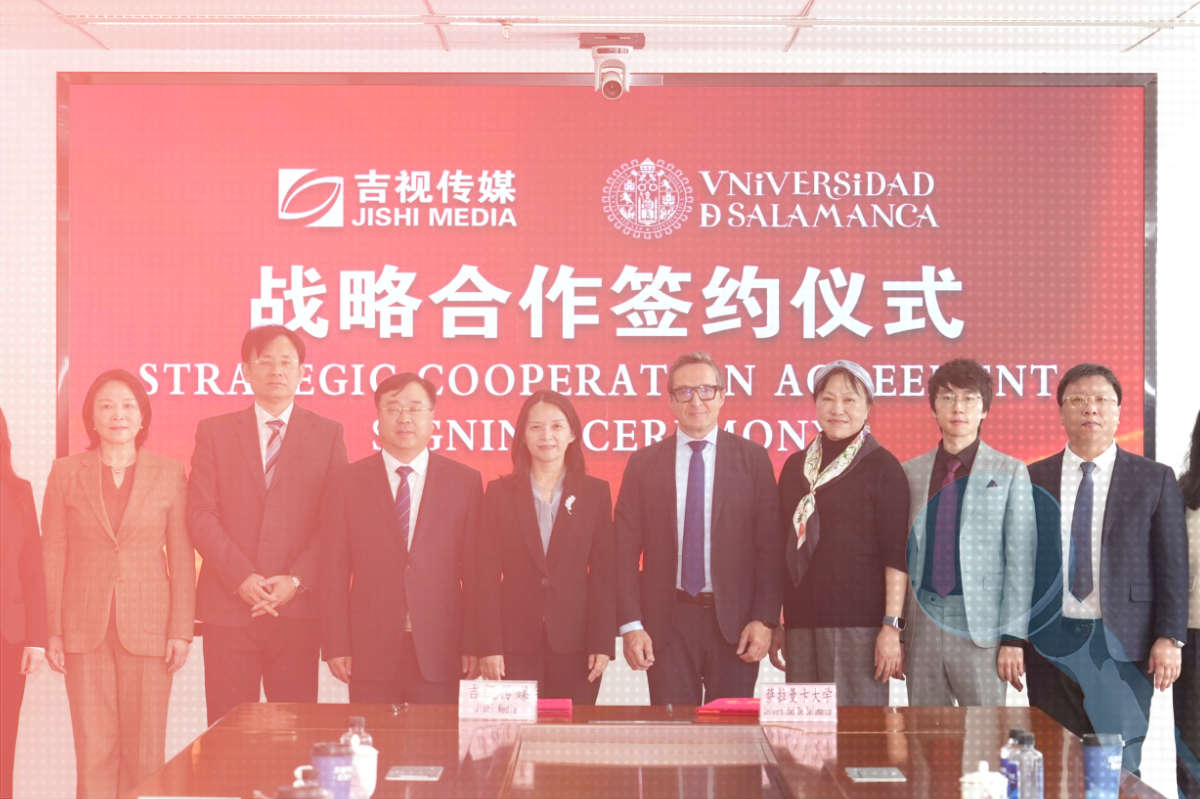
Consider that more than a year ago, on June 16, 2025, the China Media Group (CMG), the media mega-conglomerate directly under the CCP’s Central Propaganda Department that runs China Central Television and other state media, closed three media deals with separate media in Kazakhstan. Signed during the Second China-Central Asia Summit, the deals included cooperation with the state-run Khabar Agency on joint media projects and content exchange. Little surprise, then, that Khabar Agency was among the outlets airing “Classics Quoted by Xi Jinping” in recent days. At the same summit, the government-run Xinhua News Agency signed a pair of deals with national media from Kazakhstan — just two points among the many thousands of global deals through which the news agency impacts what people read daily about China.
Seen as isolated fragments of propaganda, or as isolated instances of borrowed broadcasting, cases like these can seem insignificant, even comical. The larger pattern, however, is an insistent claiming of the space that can impact in very real ways not just the material content, but also how journalists and media behave.
So next time you sit down with the People’s Daily, suppress your laughter, set aside your AI translator, and ready carefully — beyond the page.