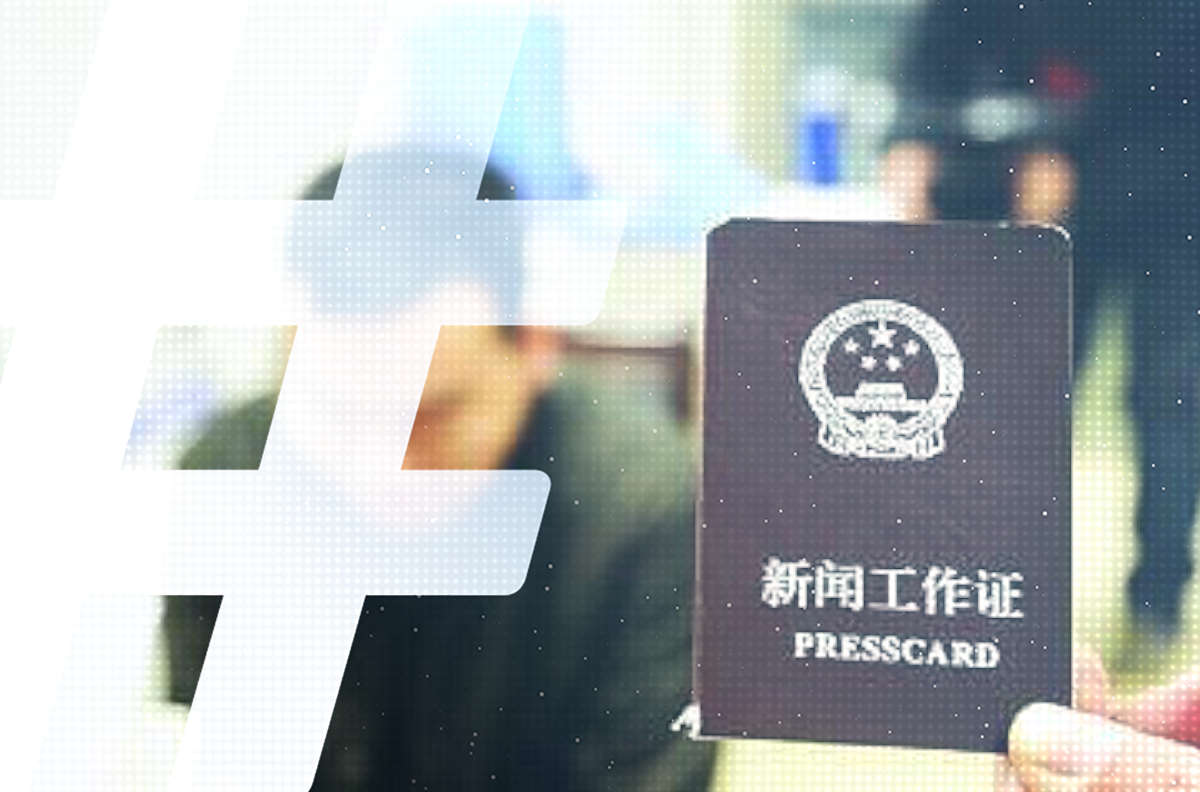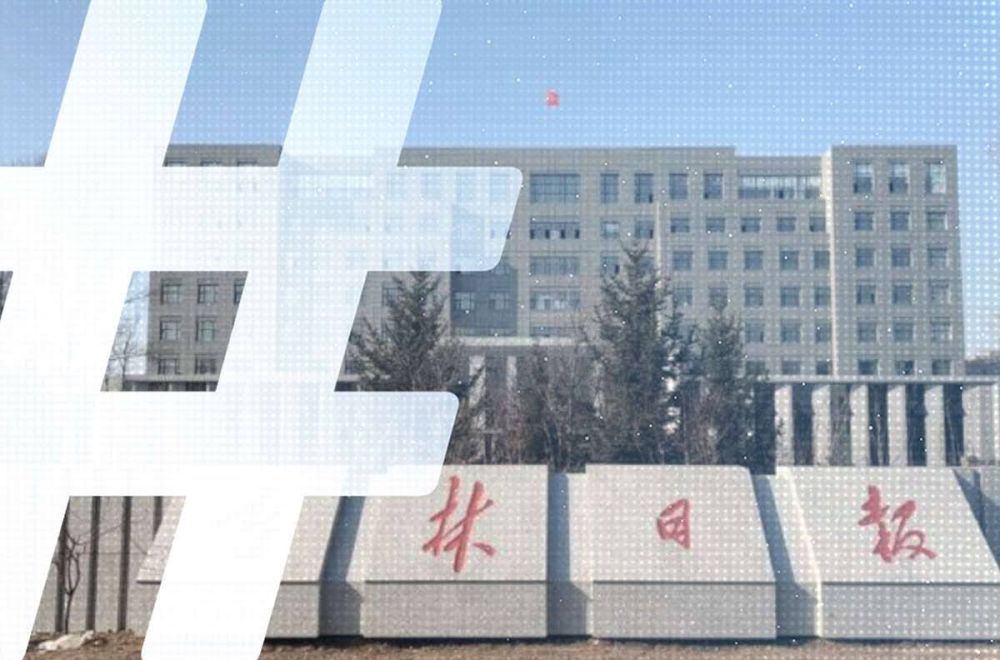
As a general rule in China, Party papers (党报), those published directly by local and regional committees of the Chinese Communist Party, are cautious and unadventurous. On most days, the front pages of provincial-level Party papers are uninspired echoes of the CCP’s official People’s Daily and its top-level political agendas. Far from being an epithet, the word “mouthpiece” is an accepted label for these outlets, meant to be the “throat and tongue” (喉舌) of the Party.
And so it was actual news this month when one provincial mouthpiece printed an article generated entirely by AI — with its artificial authorship stated clearly in the byline.
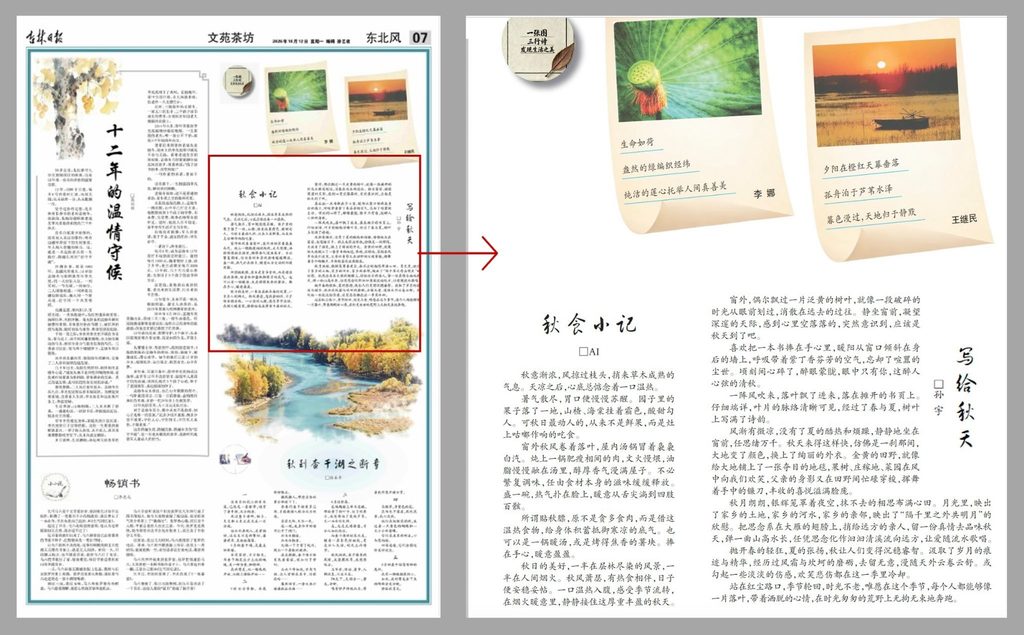
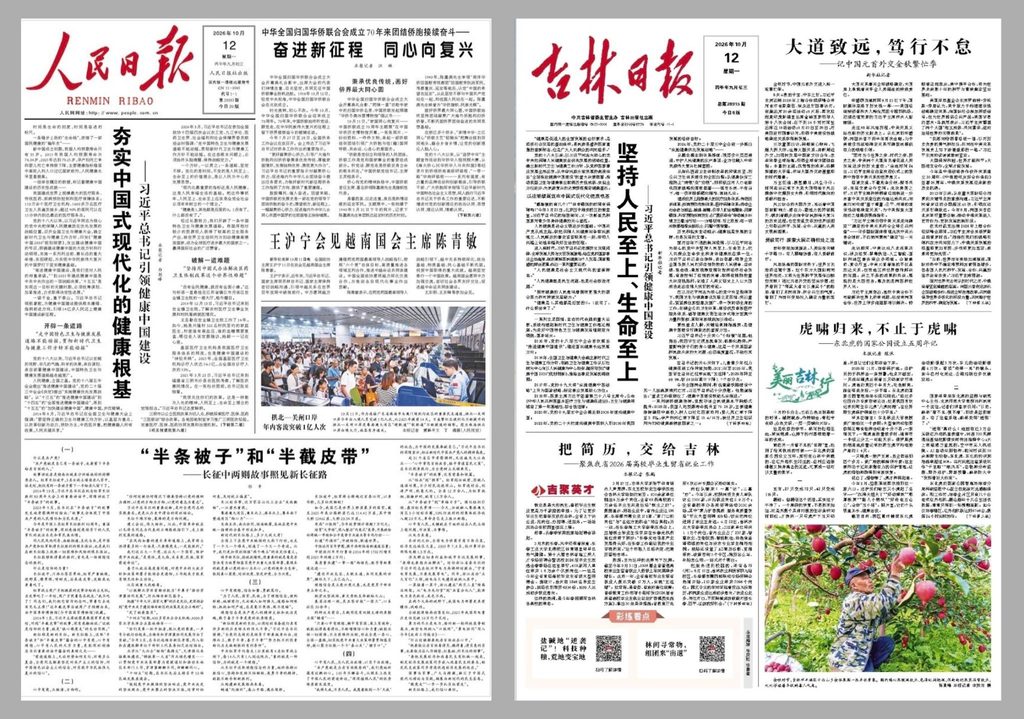
On October 12, Jilin Daily (吉林日报), the Party newspaper in China’s northeastern Jilin province, which borders North Korea, ran a page-seven article under the simple byline “AI.” Placed under a column called “Literary Teahouse,” the essay was a meditation on the arrival of autumn, lingering on the vision of bright red hawthorn fruit and crabapples — and seasonal changes in the kitchen. “As a pot of meat . . . . simmers over a low heat, the fat slowly melts into the broth,” the unidentified AI chatbot waxed, “and a rich, savory aroma fills the house.”
Soon after the article appeared, the topic trended in media circles. The public account Media Observations (传媒见闻) remarked on the novelty of the byline, saying it may have “broken new ground” (首开先例).
A commentary reposted by Media Insider (传媒内参), another media-industry account, went even further, marking the essay as the first time AI had been openly credited in the pages of a Party paper, where contributors are generally staff writers under official hire (编制), or even government departments cloaked in specialized bylines. “AI has been ‘clocking in’ for some time now at traditional media outlets, but always behind the scenes,” the commentary said. “In this case, for the first time, it has been handed ‘a public ID badge’ in the actual pages of a Party paper.”
What much of the commentary in media circles missed was the fuller context. Contacting the supplement’s editors on October 13, a reporter at Shanghai’s The Paper (澎湃新闻) had learned that the AI byline was part of a poetry and essay competition that the official outlet had been running since August. Under the theme “Autumn Letters from the Human World” (人间秋信), readers had been invited to submit work that could go head to head with AI-generated articles, so that the quality of each could be compared. Below the Jilin Daily’s AI-generated article was one written by a human, Sun Yuping (孙玉平), titled “An Autumn Fragment at Zhagan Lake” (秋到查干湖之断章).
The experiment recalled similar editorial trials in media around the world to probe the power and impact of AI.
In March this year, the New York Times ran a feature that presented readers with pairs of short texts, including literary classics, alongside AI-generated writing, and asked which one they preferred. The challenge ran under the headline “Who’s a Better Writer: AI or Humans?” In a similar 2025 challenge, Columbia Journalism Review placed ChatGPT-generated news ledes alongside ledes from published stories and asked readers to judge which one was better.
Intent on a similarly illustrative experiment, Jilin Daily’s editors apparently did not think of offering readers the context they needed. Nor did they reveal which AI model had been used to generate the autumn tribute.